Understanding the Microwave Oven
What is a microwave oven?
A microwave oven is a versatile kitchen appliance designed for cooking and heating food quickly. It operates using microwave radiation, a form of electromagnetic energy, which interacts with food at the molecular level. In essence, when food is placed inside a microwave oven, the microwaves cause water molecules in the food to vibrate, generating heat that quickly cooks or reheats the food. The microwave oven has become a staple in modern kitchens, widely used for its efficiency and convenience. For those looking to explore various models, a wide array of options can be found at microwave oven retailers.
How does a microwave oven work?
The inner workings of a microwave oven are founded on a few basic components: the magnetron, waveguide, and cooking chamber. The magnetron generates microwaves by converting electrical energy into microwave radiation. This energy travels through the waveguide and is distributed evenly across the cooking chamber. When food is placed inside, the microwaves penetrate the food and excite water molecules, producing heat. This method allows for rapid cooking without the need for preheating, which enhances the appliance’s convenience.
Advantages of using a microwave oven
One of the primary advantages of a microwave oven is its speed. Unlike conventional ovens that typically require significant heating time, microwave ovens deliver cooking results in a fraction of the time. Furthermore, they often consume less energy because of their efficiency in heating food directly. Additionally, microwave ovens are easier to clean since they do not produce the same residual spills or messes associated with traditional cooking methods. Finally, many contemporary models come equipped with advanced features, such as presets and sensor cooking, enhancing usability and cooking precision.
Types of Microwave Ovens
Countertop microwave oven options
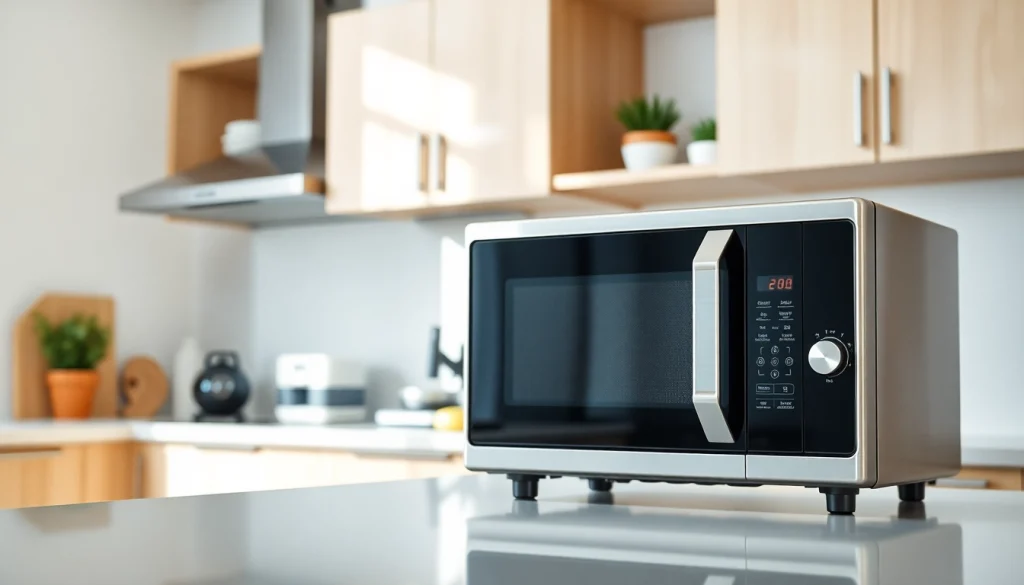
Countertop microwave ovens are among the most common types found in homes. These appliances sit on countertops and come in various sizes and wattage options. They are versatile and can easily be moved or stored when not in use. Many models feature a range of settings, from defrost modes to sensor cooking options that adjust power levels based on humidity levels detected in the food.
Over-the-range microwave oven features
Over-the-range microwave ovens serve the dual purpose of cooking and venting, which makes them an excellent space-saver in the kitchen. Mounted above the stove, these appliances often include built-in ventilation fans that help eliminate smoke and odors during cooking. They also tend to have a slightly larger cooking capacity, making them convenient for larger families or those who cook frequently.
Built-in microwave oven benefits
Built-in microwave ovens are integrated into cabinetry, providing a seamless and sleek appearance in a kitchen’s design. These models are typically installed at eye level, making them more accessible for loading and unloading food. They often possess higher cooking power and size options and may include additional features, such as convection cooking, which allows for browning and crisping foods.
Choosing the Best Microwave Oven
Essential features to consider
When selecting a microwave oven, consider factors such as power (measured in watts), size and capacity, which will influence the range of dishes you can prepare. Look for features like preset cooking functions, sensor cooking technology, and defrost settings, which can enhance convenience. Additionally, consider safety features such as child locks and the design aesthetic that fits your kitchen space.
Comparing price ranges
Microwave ovens are available across various price ranges, typically determined by their type, size, and features. Basic countertop models may start at a lower price point, while over-the-range and built-in options can be priced significantly higher due to their additional capabilities and installation requirements. It’s essential to determine your budget and evaluate which features are necessary for your cooking needs.
Energy efficiency of microwave ovens
Energy efficiency is a critical consideration, especially for environmentally conscious consumers. Microwave ovens tend to use less electricity than conventional ovens due to their faster cooking times and targeted heating methods. Look for Energy Star-rated models that meet strict efficiency guidelines, helping you save on energy bills while also reducing your carbon footprint.
Common Uses of Microwave Ovens
Cooking and reheating food
Microwave ovens are primarily used for reheating leftovers, defrosting frozen food, and cooking meals quickly. Their ability to save time makes them invaluable for anyone leading a busy lifestyle. Beyond reheating, many models also allow users to cook a wide range of dishes, including vegetables, grains, and even meats, making them versatile kitchen tools.
Defrosting methods
Defrosting food safely and efficiently is another popular function of microwave ovens. Most models include a defrost setting, which adjusts the cooking power to ensure that food thaws evenly without beginning the cooking process. Properly utilizing this feature can help maintain food quality and prevent bacterial growth that can occur with improper thawing methods.
Creative recipes for microwave ovens
Beyond simple reheating, creative recipes can take advantage of a microwave oven’s capabilities. You can prepare scrambled eggs, steam vegetables, and even bake mug cakes within minutes. Exploring various recipes tailored for microwave cooking not only adds variety to meals but also encourages experimentation with different ingredients and techniques.
Maintenance and Troubleshooting
How to clean a microwave oven
Regular maintenance is essential to prolong the lifespan of a microwave oven. Cleaning involves wiping down the interior and exterior surfaces with mild detergent and water. For stubborn stains and odors, a mixture of vinegar and water boiled in the microwave can help loosen debris and freshen the appliance. Remember to regularly clean the microwave filter if your model has one, as this improves air quality and efficiency.
Common issues and fixes
Common issues with microwave ovens may include failure to heat, unusual noises, or error codes on the display. If the microwave isn’t heating, check to ensure that the door is sealing properly and that the power supply is working. Unusual noises could indicate a malfunctioning fan or stirrer, which may require professional servicing. Always consult the user manual for troubleshooting tips related to error codes specific to your model.
Tips for prolonging the lifespan
To enhance the longevity of your microwave oven, avoid running it empty, as this can damage the magnetron. Use microwave-safe containers to prevent any chemical leaching and minimize the risk of damaging the appliance. Regular maintenance checks, including cleaning vents and filters, can also prevent premature wear and tear.
Frequently Asked Questions
How long does a microwave oven typically last?
A microwave oven usually lasts between 5 to 10 years with proper care and maintenance. Using your microwave appropriately can extend its lifespan significantly.
What are the best sizes for microwave ovens?
Sizes vary widely; compact models generally range from 0.5 to 1.0 cu ft, while full-sized options can measure between 1.0 and 2.2 cu ft, ideal for families.
Can a microwave oven replace a conventional oven?
While a microwave can perform many cooking tasks, it cannot fully replace a conventional oven for baking and roasting due to differences in heat distribution and intensity.
What features should I look for in a microwave oven?
Key features to consider include wattage, preset cooking options, size, style, and additional functionalities such as sensor cooking or inverter technology.
Is it safe to use plastic containers in a microwave oven?
Only use microwave-safe plastic containers; non-microwave-safe materials may warp or release harmful chemicals, which can contaminate food.