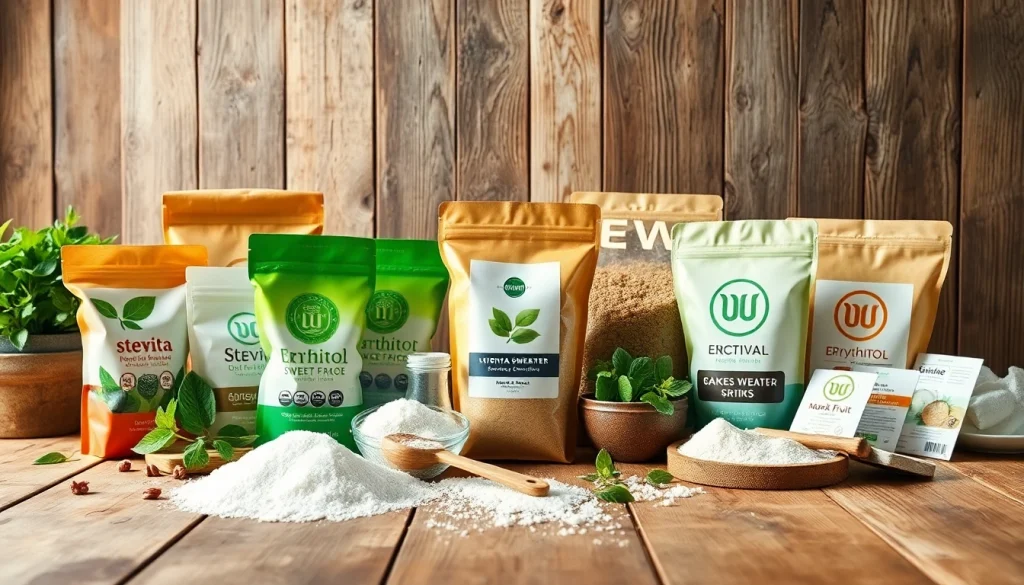
Understanding Bulk Sweetener: Basics and Types
What is Bulk Sweetener?
Bulk sweeteners, often referred to as polyols or sugar alcohols, are a category of sweetening agents characterized by their unique ability to provide sweetness while also contributing bulk to food products. Unlike traditional sugars that are composed strictly of carbohydrates, bulk sweeteners possess a structure that allows them to mimic the taste and texture of sugar without leading to significant fluctuations in blood sugar levels. Naturally occurring in small amounts in various fruits and vegetables, they are often used as substitutes in low-calorie and low-sugar products. For a deep dive into the characteristics and advantages of bulk sweetener, understanding their chemical makeup and calorie contributions is essential.
Popular Types of Bulk Sweetener
Among the numerous types of bulk sweeteners available on the market, some of the most prevalent include:
- Erythritol: Known for its relatively low-calorie content (about 0.24 calories per gram), erythritol is almost as sweet as sucrose and does not raise blood sugar levels significantly.
- Maltitol: Gathering attention for its widespread use in sugar-free chocolates and candies, maltitol provides a sweet taste but has a higher glycemic index than erythritol.
- Xylitol: With dental benefits and a sweetening power similar to sugar, xylitol is often found in chewing gums and oral care products.
- Isomalt: Preferred for its low hygroscopicity, isomalt is an excellent option for confectionery items, as it retains texture and prevents unwanted moisture absorption.
Nutritional Profiles and Applications
The nutritional profiles of bulk sweeteners vary significantly, which influences their applications:
- Many bulk sweeteners contain fewer calories when compared to traditional sugar, making them appealing for weight management and dietary considerations.
- They are used extensively in products marketed towards diabetics due to their minimal impact on blood glucose levels.
- In baking, their unique chemical properties can alter the texture and browning of baked goods, necessitating careful recipe modifications.
Benefits of Using Bulk Sweetener
Low-Calorie Alternatives
One of the primary advantages of bulk sweeteners is their low-calorie nature. This attribute appeals to health-conscious consumers aiming to reduce caloric intake without sacrificing sweetness. Using bulk sweeteners can help decrease overall sugar consumption, supporting weight loss and weight management efforts.
Versatility in Cooking and Baking
Bulk sweeteners are incredibly versatile. They can be used in a variety of culinary applications, from baking to cooking savory dishes. For instance, erythritol can provide sweetness in pastries without contributing calories, while xylitol and isomalt are often favored in sugar-free candies. Each sweetener brings its own characteristics to recipes, allowing for creativity in the kitchen.
Diabetes Management: The Sweet Solution
With rising rates of diabetes globally, bulk sweeteners offer a way for individuals with the condition to indulge in sweet treats responsibly. Many bulk sweeteners have a minimal glycemic effect, meaning they do not spike blood sugar levels significantly, making them suitable for diabetic-friendly diets.
How to Select the Right Bulk Sweetener
Factors to Consider When Choosing
When selecting a bulk sweetener, several factors should be considered, including:
- Caloric content: Assess the caloric impact of the sweetener’s use in various recipes.
- Sweetness level: Different bulk sweeteners vary in sweetness intensity; balancing this with the desired outcome is crucial.
- Glycemic index: For those monitoring blood sugar, choosing a sweetener with a low glycemic index is vital.
- Digestive tolerance: Some bulk sweeteners can cause digestive discomfort in certain individuals when consumed excessively.
Reading Labels: What to Look For
Understanding food labels is essential in selecting the right bulk sweetener. Look for:
- Ingredient lists that specify the type of sweetener used.
- Caloric information to ensure it aligns with dietary needs.
- Glycemic index and other essential nutritional facts to understand how the sweetener may affect health.
Recommendations for Different Diets
Different diets might benefit from specific bulk sweeteners:
- Keto Diet: Erythritol and stevia are optimal for low-carb diets due to their minimal impact on carbohydrates.
- Diabetic Diets: Products with low glycemic indices such as xylitol and erythritol can be excellent choices.
- Weight Loss Plans: Low-calorie bulk sweeteners can help satisfy sweet cravings without significant caloric intake, aiding in appetite control.
Incorporating Bulk Sweetener in Your Recipes
Baking with Bulk Sweetener: Tips and Tricks
Baking with bulk sweeteners requires some adjustment. To ensure success, remember:
- Substitute 1:1 with sugar in many recipes, but be mindful of the moisture retention properties of the chosen sweetener.
- Add additional liquid ingredients if necessary to maintain the desired texture.
- Experiment with combinations of sweeteners to achieve the perfect taste and sweetness balance.
Beverages and Desserts: Crafting Delicious Treats
Bulk sweeteners serve as excellent options for sweetening beverages and desserts. For instance, they can be used in:
- Homemade smoothies for a refreshing, sweet boost.
- Low-calorie syrups that enhance flavor in cocktails and mocktails.
- Baking sauces and dressings while maintaining a healthy profile.
Cooking Savory Dishes with Sweetener
Surprisingly, bulk sweeteners can also enhance savory recipes. Consider:
- Adding a hint of sweetness to marinades and dressings to balance flavors.
- Utilizing bulk sweeteners in sauces for glazes that need both sweetness and depth.
- Incorporating them into roasted vegetables or stews for a diverse flavor profile.
Common Myths and Misconceptions About Bulk Sweetener
Debunking Myths: Health Effects
There are several myths surrounding bulk sweeteners, such as:
- Myth: All bulk sweeteners are harmful to health. Fact: When used in moderation, bulk sweeteners can be a beneficial part of a varied diet.
- Myth: They are all low-calorie. Fact: While many bulk sweeteners are low-calorie, some, like maltitol, are not.
- Myth: They can lead to weight gain. Fact: In moderation, most bulk sweeteners can support weight management goals.
Environmental Impact of Sweeteners
The production of bulk sweeteners varies in environmental toll. Generally, those derived from natural sources may have a lower environmental impact than synthetic alternatives. Opting for sustainably sourced sweeteners can further alleviate any potential ecological concerns.
The Future of Bulk Sweetener in Food Industry
The food industry is evolving, and bulk sweeteners are gaining traction. With growing health awareness, manufacturers are increasingly looking to bulk sweeteners as sugar alternatives to meet consumer demands for healthier options. Expect continued innovation in this space, including the development of new sweetener types and blends that maximize flavor while minimizing caloric content.
Frequently Asked Questions
1. What is the main advantage of using bulk sweetener?
The primary advantage of using bulk sweetener is its low-calorie content, which allows for sweetening food without adding significant calories, making it ideal for weight management.
2. Are bulk sweeteners safe for diabetics?
Yes, bulk sweeteners are generally safe for diabetics as they have minimal impact on blood sugar levels, making them suitable for sugar reduction.
3. Can bulk sweeteners cause digestive issues?
In some individuals, excessive consumption of bulk sweeteners can lead to digestive discomfort, including bloating and diarrhea, particularly with sugar alcohols.
4. How do I use bulk sweeteners in baking?
When baking, often substitute bulk sweeteners for sugar in a 1:1 ratio but adjust the recipe’s liquid ingredients as necessary to maintain texture.
5. Are all bulk sweeteners calorie-free?
No, not all bulk sweeteners are calorie-free. While many are low-calorie, some like maltitol do contain calories and should be consumed in moderation.