Delta 9 vs. Other Cannabinoids: Key Differences You Should Know
Introduction to Delta 9
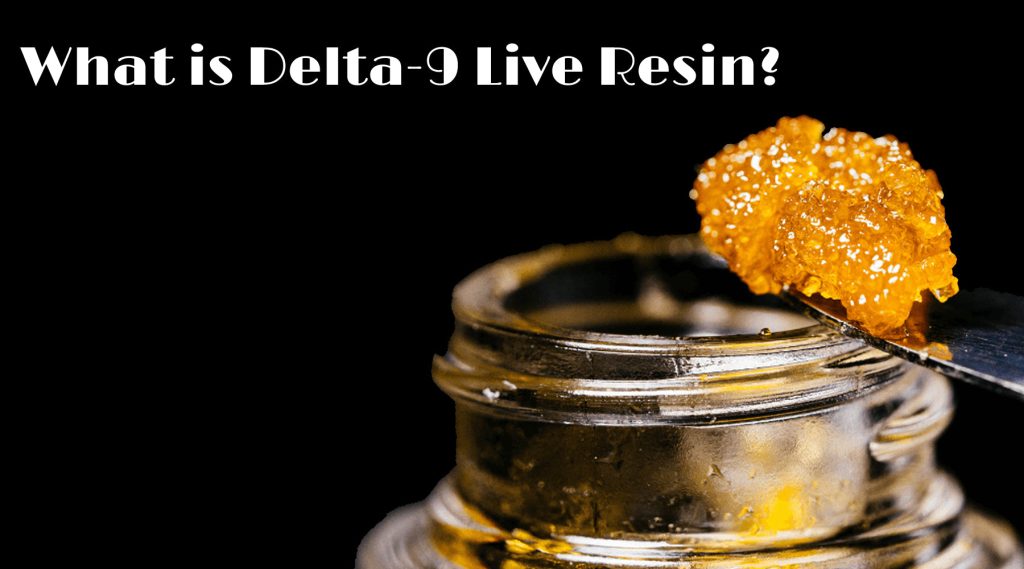
Delta 9 is one of the most well-known cannabinoids found in cannabis. It is primarily responsible for the psychoactive effects of marijuana, producing euphoria, relaxation, and changes in perception. Understanding Delta 9 is crucial for consumers who want to differentiate it from other cannabinoids and make informed choices.
Delta 9 Compared to CBD
CBD, or cannabidiol, is a non-psychoactive cannabinoid that has gained popularity for its therapeutic benefits. Unlike Delta 9, CBD does not produce a high and is often used for anxiety relief, pain management, and sleep improvement. While Delta 9 binds mainly to CB1 receptors in the brain, CBD interacts differently with the endocannabinoid system, modulating receptor activity without causing intoxication.
Delta 9 vs. Delta 8
Delta 8 is chemically similar to Delta 9 but has milder psychoactive effects. Delta 9 produces a stronger high and more pronounced changes in mood and perception, while Delta 8 is often described as smoother and less intense. Both cannabinoids interact with CB1 receptors, but Delta 9 binds more efficiently, explaining its stronger effects.
Delta 9 and THC Content
Delta 9 is commonly associated with THC, the main psychoactive component of cannabis. While Delta 9 is a type of THC, it is specifically referred to as Delta 9-tetrahydrocannabinol. Other cannabinoids, such as Delta 8 and CBD, vary in their chemical structure, resulting in different effects on the body and mind. Consumers should pay attention to labels indicating Delta 9 content to gauge potency.
Therapeutic Differences
Delta 9 and other cannabinoids offer distinct therapeutic benefits. Delta 9 may help with pain relief, appetite stimulation, and nausea reduction, while CBD is primarily used for anxiety, inflammation, and seizure disorders. Delta 8, like Delta 9, can provide mild euphoria and relaxation, but with fewer psychoactive effects, making it a preferred option for those seeking a lighter experience.
Legal Differences
Delta 9 and other cannabinoids also differ in their legal status. Delta 9 derived from hemp with less than 0.3% THC is federally legal in the United States, while marijuana-derived Delta 9 remains restricted in many areas. CBD is generally legal if it meets federal requirements, whereas Delta 8 exists in a legal gray area in some states. Awareness of these differences is crucial for safe and lawful consumption.
Consumption Methods
Delta 9 is available in various forms, including edibles, tinctures, vapes, and flower. Other cannabinoids like CBD and Delta 8 also come in similar products, but the effects differ. Delta 9 produces noticeable psychoactive effects, while Delta 8 and CBD focus more on relaxation and wellness without intense intoxication. Knowing these differences helps consumers select the right product for their needs.
Safety Considerations
Delta 9 and other cannabinoids should be used responsibly. Delta 9, being more potent, carries a higher risk of overconsumption, which can lead to dizziness, paranoia, or impaired coordination. Delta 8 and CBD are generally considered safer for beginners or those sensitive to psychoactive effects. Proper dosing and understanding the differences between cannabinoids are essential for safe use.
Conclusion
Delta 9 stands out among cannabinoids for its psychoactive effects, potency, and therapeutic potential. Comparing Delta 9 with CBD, Delta 8, and other cannabinoids highlights critical differences in effects, legality, and safety. By understanding these distinctions, consumers can make informed choices and use Delta 9 responsibly, ensuring a positive experience while minimizing risks.