
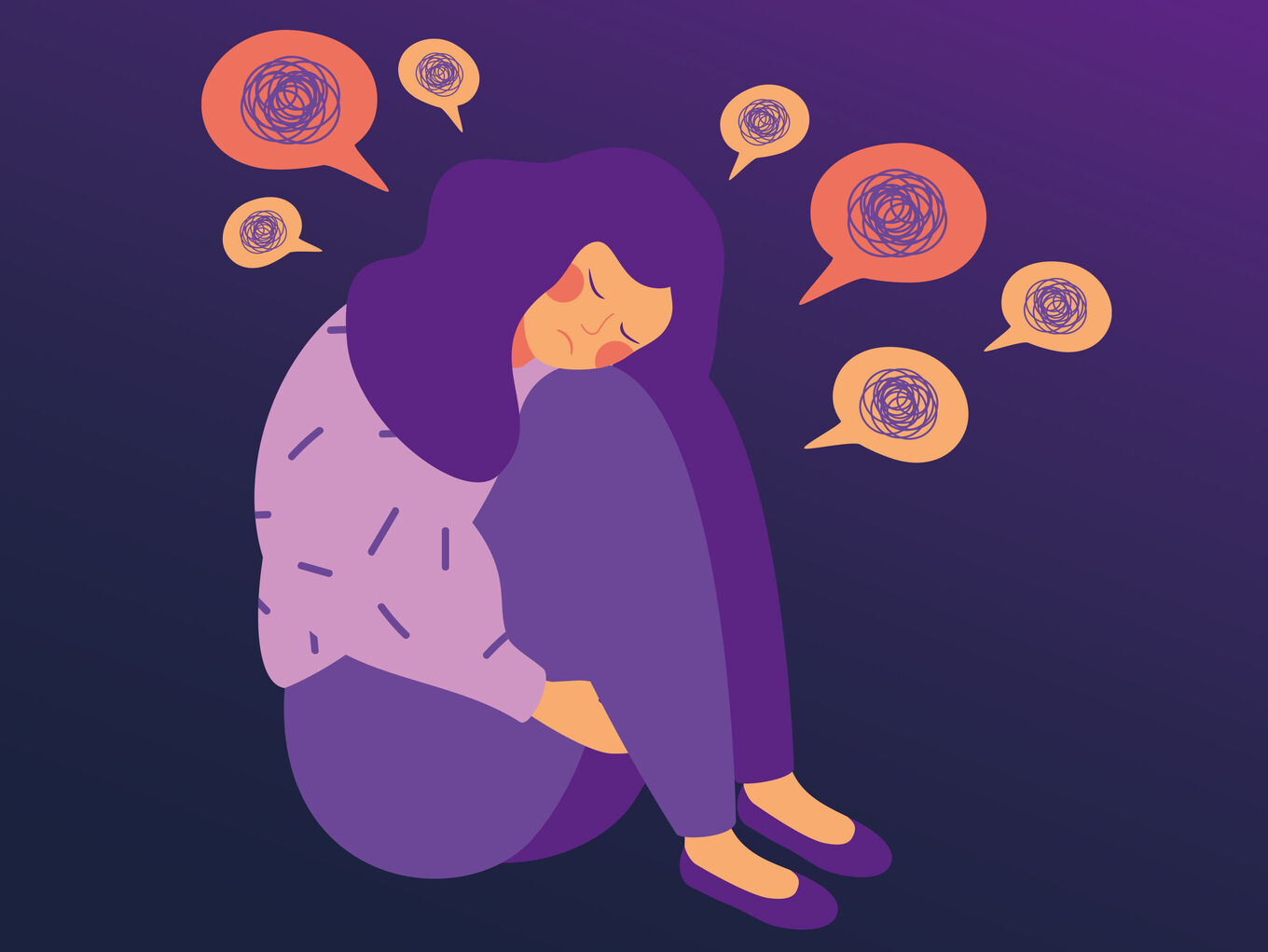
Depression is more than feeling sad or having a bad day. It is a complex mental health condition that affects emotions, thoughts, and behaviors. Understanding Depression symptoms and emotional warning signs is essential for recognizing the condition early and seeking help. At Calm Minds Hub, we aim to simplify mental health knowledge and provide practical guidance for emotional well-being.
Understanding Depression
Depression is a mood disorder that affects millions of people worldwide. It can appear at any age and impact every area of life, including work, school, relationships, and personal goals. While occasional sadness is normal, depression persists over time and often interferes with daily functioning. Recognizing the early emotional warning signs can prevent more severe mental health challenges.
What Causes Depression?
Depression can result from a combination of factors:
- Biological factors: Imbalances in brain chemicals like serotonin and dopamine can trigger depression symptoms.
- Genetics: Family history of depression increases the risk of developing the condition.
- Environmental stressors: Trauma, financial difficulties, or significant life changes can contribute to depression.
- Psychological factors: Low self-esteem, chronic stress, or unresolved emotional conflicts can lead to depression.
Common Depression Symptoms
Depression manifests in various ways, and symptoms can differ from person to person. Recognizing these symptoms early is crucial for timely support and treatment.
Emotional Symptoms of Depression
Emotional signs often appear first and can include:
- Persistent sadness or feelings of emptiness
- Irritability, frustration, or mood swings
- Loss of interest in activities once enjoyed
- Feelings of hopelessness or helplessness
- Excessive guilt or self-blame
For example, a student who once loved playing basketball might stop attending practice or lose interest in friends, showing a clear emotional shift.
Physical Symptoms of Depression
Depression also affects the body, and physical symptoms can signal underlying emotional distress:
- Fatigue or low energy even after adequate rest
- Changes in appetite or weight (increase or decrease)
- Sleep disturbances, such as insomnia or oversleeping
- Physical aches or headaches without a clear medical cause
A case study of Sarah, a 17-year-old high school student, shows how these symptoms manifest. She began feeling constantly tired, lost weight unexpectedly, and struggled to concentrate in class. These physical signs were intertwined with emotional struggles, indicating depression.
Cognitive Symptoms of Depression
Depression impacts how a person thinks, often affecting focus, decision-making, and self-perception:
- Difficulty concentrating or remembering details
- Negative thinking patterns or persistent pessimism
- Slowed thinking or indecisiveness
- Thoughts of self-harm or suicide in severe cases
Behavioral Symptoms of Depression
Behavioral changes are also key indicators:
- Social withdrawal from friends and family
- Reduced productivity at school or work
- Neglect of personal hygiene or responsibilities
- Engaging in risky behaviors
Early Emotional Warning Signs
Identifying early emotional warning signs can prevent depression from worsening. These signs often appear before full-blown symptoms develop.
- Feeling sad or tearful for no clear reason
- Avoiding social interactions
- Experiencing unexplained irritability or anger
- Loss of interest in hobbies or personal goals
- Feeling fatigued or overwhelmed easily
Recognizing these warning signs allows for early intervention, which significantly improves recovery outcomes.
Real-Life Examples
- Example 1: John, a college student, noticed he stopped participating in group projects and avoided phone calls. These behavioral changes were accompanied by persistent sadness and low motivation, indicating early depression symptoms.
- Example 2: Maria, a working professional, found herself feeling hopeless after minor setbacks at work. She also experienced sleep disturbances and lost interest in activities she previously enjoyed.
These examples show that depression symptoms can subtly infiltrate daily life before becoming severe.
Coping with Depression Symptoms
While professional support is essential, there are practical steps to manage depression symptoms effectively.
Lifestyle Adjustments
- Regular physical activity: Exercise boosts mood-regulating chemicals in the brain.
- Balanced diet: Nutritious meals can improve energy levels and mental clarity.
- Adequate sleep: Consistent sleep patterns reduce fatigue and irritability.
- Mindfulness practices: Meditation or deep breathing exercises help reduce stress and improve emotional regulation.
Building Emotional Support
- Talk to someone trusted: Sharing feelings with friends, family, or mentors can alleviate emotional burden.
- Join support groups: Connecting with people facing similar challenges promotes understanding and reduces isolation.
- Seek professional help: Therapists, counselors, or psychiatrists provide evidence-based treatment options like cognitive-behavioral therapy or medication when necessary.
Practical Daily Steps
- Maintain a daily routine to create structure
- Set small, achievable goals to build confidence
- Limit exposure to negative news or social media
- Practice gratitude journaling to focus on positive aspects of life
When to Seek Help
Immediate help is crucial if depression symptoms worsen or if thoughts of self-harm appear. Signs that professional intervention is needed include:
- Persistent feelings of hopelessness or worthlessness
- Inability to perform daily tasks
- Extreme social withdrawal
- Suicidal thoughts or behaviors
Reaching out early can significantly improve mental health outcomes and prevent severe complications.
The Importance of Awareness
Understanding depression symptoms and emotional warning signs is not just about recognizing personal struggles—it also helps support friends, family, or colleagues. Awareness fosters empathy and encourages a culture of emotional well-being.
Case Study: Peer Support Impact
Liam noticed his friend Emily, who had always been outgoing, became withdrawn and irritable. Recognizing these early warning signs, he encouraged her to speak to a counselor. Early intervention helped Emily manage her depression symptoms effectively and regain her emotional balance.
Summary
Depression is a complex condition affecting emotions, thoughts, behaviors, and physical health. Recognizing depression symptoms and emotional warning signs early is vital for intervention and healing. With awareness, practical coping strategies, and professional support, recovery and emotional well-being are achievable.
By understanding the signs, seeking support, and implementing lifestyle adjustments, anyone experiencing depression symptoms can take meaningful steps toward emotional health. At Calm Minds Hub, we are committed to guiding individuals through mental health challenges with kindness and evidence-based strategies. Make the most of our platform—start from the main homepage today.
FAQs
What are the most common depression symptoms?
Common depression symptoms include persistent sadness, loss of interest in activities, fatigue, sleep disturbances, negative thinking, irritability, and social withdrawal. Recognizing these early signs can help in seeking timely help.
How can I tell if I am experiencing depression or just normal stress?
Depression symptoms persist over weeks or months and significantly impact daily life. Unlike temporary stress, depression affects mood, energy, motivation, sleep, and social engagement consistently and often requires professional support.
Can lifestyle changes improve depression symptoms?
Yes, lifestyle changes such as regular exercise, balanced nutrition, adequate sleep, mindfulness practices, and maintaining a daily routine can improve depression symptoms. However, these strategies are most effective when combined with professional guidance if needed.