Understanding Pet Odor Carpet Cleaning
For pet owners, few experiences are as frustrating as discovering an unpleasant odor wafting from your carpets. Accidents happen, and despite our best efforts, lingering smells can become a persistent issue. To address this, effective pet odor carpet cleaning is crucial. This comprehensive guide will delve into the causes of pet odors, the specific characteristics of carpeting materials, the telltale signs indicating a cleaning is necessary, and much more.
Why Pet Odor Occurs
Understanding the root causes of pet odors is essential for effective carpet cleaning. Pets, especially dogs and cats, can leave behind not only urine and feces but also dander, saliva, and fur, which contribute to unsavory smells.
Urine is perhaps the most notorious culprit. When pets urinate on carpets, the liquid seeps into the fibers, backing, and even the padding underneath. As the urine dries, it can leave behind salts and other organic compounds, which can produce a strong, lingering odor.
Additionally, organic materials such as hair, dead skin cells, and food particles can also trap odors and bacteria, exacerbating the problem. A thorough understanding of these factors will aid in selecting the best cleaning methods and products.
Common Carpeting Materials
The type of carpet you have can significantly impact the effectiveness of your cleaning efforts. Common carpet materials include:
- Nylon: Known for its durability and resilience, nylon carpets can withstand heavy foot traffic but can be prone to trapping odors in stains.
- Polyester: While softer and more stain-resistant, polyester carpets can also hold onto pet odors if not maintained properly.
- Wool: Wool carpets are natural and hypoallergenic but can be challenging to clean because they absorb moisture and odors.
- Olefin: This synthetic fiber is resistant to stains and fading, but odor can still cling to it if spills are not addressed promptly.
Signs You Need Cleaning
Identifying signs that your carpet needs a thorough cleaning can save you from long-term damage and unpleasant smells. Some indicators include:
- Visible stains or discoloration from pet accidents.
- A strong odor, even when the carpet appears clean.
- Increased allergy symptoms, which could indicate dust or dander buildup.
- Fluffy or greasy spots where pets frequently lie.
If you notice any of these signs, it's likely time to initiate a deep cleaning regime.
Best Techniques for Pet Odor Carpet Cleaning
Once you've identified the need for cleaning, the next step is to determine the best techniques for addressing pet odors. Here, we explore both DIY methods and professional services.
DIY Methods
For pet owners looking to save on cleaning costs, several DIY methods can combat odors effectively. Here are some effective techniques:
- Baking Soda: Sprinkle baking soda generously over the carpet. Let it sit for several hours or overnight to absorb odors, then vacuum thoroughly.
- Vinegar Solution: Mix equal parts white vinegar and water in a spray bottle. Lightly spray the affected areas, allow it to dry, and vacuum afterward.
- Essential Oils: Combine a few drops of pet-safe essential oils with water in a spray bottle. This not only freshens the carpet but can also neutralize odors.
- Diluted Dish Soap: A gentle solution of mild dish soap and warm water can help lift stubborn stains. Always test on a small area first to avoid damage.
Professional Services
For persistent odors and stains, enlisting professional carpet cleaning services may yield the best results. Professionals typically employ advanced cleaning techniques that go beyond surface-level cleaning. These may include:
- Steam Cleaning: This method uses high-temperature steam to sanitize and remove odors effectively.
- Hot Water Extraction: Similar to steam cleaning, but involves injecting hot water along with cleaning solutions, then extracting the mixture.
- Specialized Deodorizers: Professionals often have access to powerful deodorizers that break down odor molecules rather than simply masking them.
Maximizing Results
To ensure the best possible outcome from your cleaning efforts, consider the following tips:
- Pre-treat stains with a dedicated enzymatic cleaner before the main cleaning.
- Vacuum thoroughly before any cleaning process to remove loose dirt and hair.
- Allow the carpet to dry completely after cleaning to prevent mold and mildew growth.
- Consider using rugs or mats in high-traffic areas to protect against further soiling.
Choosing the Right Products for Pet Odor Carpet Cleaning
Selecting appropriate products is crucial for successful pet odor removal in carpets. With numerous options available, it’s important to consider effectiveness, safety, and environmental impact.
Natural Cleaning Solutions
Many pet owners opt for natural cleaning solutions for their carpets. These options tend to be environmentally friendly and gentle:
- Baking Soda: As mentioned earlier, baking soda is an excellent natural odor eliminator due to its absorbent properties.
- White Vinegar: Acts as a natural disinfectant and deodorizer, effectively neutralizing odors.
- Castile Soap: A biodegradable soap that can lift stains and smells without harsh chemicals.
Commercial Cleaning Agents
If you prefer commercial cleaning solutions, look for products specifically designed for pet odors:
- Enzymatic Cleaners: These products contain enzymes that break down the organic compounds in pet waste, effectively neutralizing odors.
- Foam Cleaners: Quick and easy to apply, foam cleaners can help lift stains and odors without extensive scrubbing.
- Pet-Safe Deodorizers: Many brands offer deodorizers that specifically target pet odors without harmful chemicals.
Product Safety Considerations
Always verify that any product you use is safe for pets and children. Look for labels stating "non-toxic" and "eco-friendly." Additionally, testing a small area is advised before applying any cleaner widely.
Maintaining a Fresh Carpet Post-Cleaning
After successfully cleaning your carpets, maintaining their freshness is equally important. Regular care will prolong the life of your carpeting and keep odors at bay.
Regular Vacuuming Tips
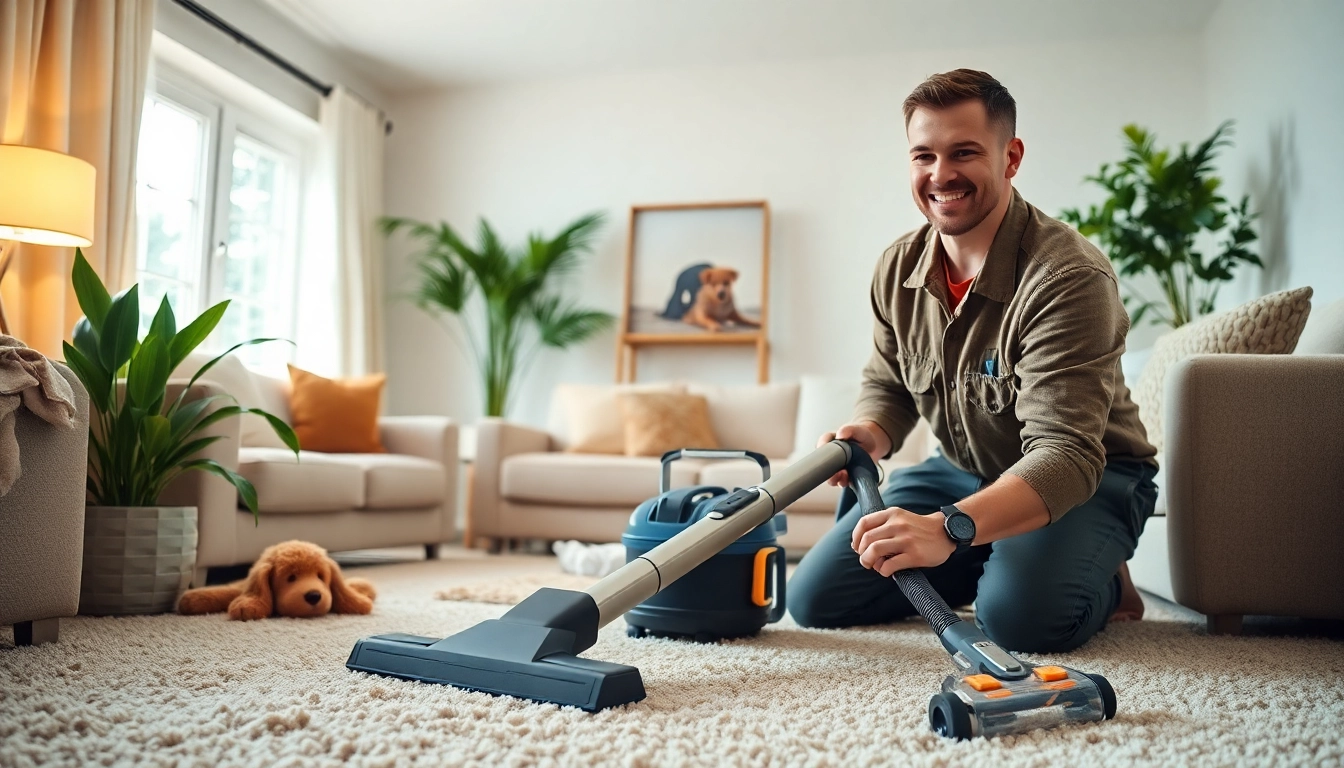
Regular vacuuming is your first line of defense against odors and dirt buildup. Consider the following tips:
- Vacuum at least once a week, or more often if you have multiple pets.
- Use a high-efficiency particulate air (HEPA) filter to capture pet dander and hair effectively.
- Consider using a vacuum cleaner specifically designed to tackle pet messes.
Best Practices for Pet Owners
Adopting preventive measures can significantly reduce odor buildup. Here are some best practices:
- Train pets to use specific areas for bathroom breaks, and clean up immediately upon accidents.
- Groom pets regularly to reduce shedding and dander.
- Use rugs and throws in pet-frequented areas to protect carpets.
When to Schedule Professional Help
Scheduling professional cleaning services can help maintain your carpets. Consider calling in the pros if:
- Odors persist despite your cleaning attempts.
- Stains are deep-set or particularly large.
- You experience increased allergy symptoms in your home.
Frequently Asked Questions About Pet Odor Carpet Cleaning
How Often Should I Clean My Carpets?
It's generally recommended to deep clean carpets every 6 to 12 months, but high-traffic areas or homes with pets may require more frequent cleaning.
Can I Use Vinegar for Pet Odor?
Yes, a mixture of equal parts vinegar and water can neutralize odors and help lift stains. Always test on a small area first.
What Duration for Professional Services?
Professional cleaning typically takes 1 to 3 hours, depending on the size of the area and the level of service required.
Are Homemade Remedies Effective?
Homemade remedies can be effective for minor odors and stains, but severe cases may require professional cleaning for best results.
How to Prevent Future Odors?
Regular cleaning, prompt attention to accidents, and pet grooming practices can all help prevent future odors from forming in carpets.