Types of Garage Floors: A Comprehensive Overview
Understanding Different Garage Floor Materials
When it comes to choosing garage floors, understanding the various materials available is essential. Each type of flooring possesses unique qualities, making them suitable for different uses and preferences. Common options include:
- Concrete: The most common choice for garages, concrete is durable, inexpensive, and versatile. It can be stained or painted for aesthetic appeal.
- Epoxy: A popular choice for those seeking durability, epoxy coatings provide a glossy finish and are resistant to stains and chemicals.
- Tile: Available in various materials such as ceramic and porcelain, tiles add design flexibility. However, they may not be as robust as concrete or epoxy.
- Rubber: This flooring option is soft and cushioned, perfect for a garage used as a workout area or workshop. It is resistant to water and easy to clean.
- Vinyl: Vinyl flooring comes in various designs and is both affordable and easy to install. Yet, it may not withstand heavy loads as well as other materials.
Pros and Cons of Popular Garage Floor Options
Each flooring material presents its pros and cons. Understanding these factors can help in making an informed decision:
Concrete Floors
Concrete is incredibly durable and requires little maintenance. However, it can be prone to cracking and staining if not sealed properly.
Epoxy Floors
Epoxy floors are resistant to most chemicals, ideal for automotive work. On the downside, they can be slippery when wet and require careful installation.
Tile Floors
Tiles offer aesthetic variety with easy cleaning. However, they can be expensive, and certain types may crack under heavy loads.
Rubber Floors
Rubber flooring provides cushioning and is easy on the feet. However, it can be more expensive than some other options and may not hold up against point loads.
Vinyl Floors
Vinyl flooring is easy to install and comes in various styles. Unfortunately, it is less durable compared to concrete or epoxy.
Choosing the Right Garage Floors for Your Needs
Selecting the appropriate flooring depends on several factors, including usage, aesthetic preferences, and budget:
- Usage: Consider how you plan to use your garage. Will it be primarily for parking, a workshop, or a recreational space?
- Aesthetics: If visual appeal is important, options like tile or epoxy could be attractive choices.
- Budget: Evaluate the cost, not just for materials but for installation and maintenance over time.
Preparing Your Garage for New Flooring
Essential Steps for Garage Floor Preparation
Before installing new flooring, proper garage preparation is crucial. Follow these essential steps:
- Clear the Space: Remove all items from the garage, including tools, vehicles, and shelving. This will provide a clean slate for installation.
- Clean the Floor: Sweep and mop the garage floor thoroughly to eliminate dust, dirt, and grease. Use a degreaser on stubborn stains.
- Inspect the Concrete: Look for any cracks or damage that needs repair before laying new flooring. Fill in cracks with an appropriate filler.
- Level the Surface: Ensure the floor is level and smooth, as uneven areas can cause issues during installation.
Common Mistakes to Avoid During Preparation
Preparation errors can lead to installation issues down the line. Here are common mistakes to avoid:
- Rushing the Cleaning Process: Skipping thorough cleaning can result in issues with adhesive and surface bonding.
- Ignoring Moisture: Failing to address moisture problems can lead to flooring issues later. Conduct a moisture test if necessary.
- Neglecting Repairs: Not repairing cracks or surface damage can compromise the integrity of the new flooring.
Tools and Materials Needed for a Successful Installation
Having the right tools and materials can make installation smoother. Essential items include:
- Concrete cleaner or degreaser
- Patching compound for repairs
- Leveling compound if needed
- Installation tools specific to the flooring type (roller, trowel for adhesive, etc.)
- Protective gear (gloves, goggles, mask)
Installing Garage Floors: A Step-by-Step Guide
DIY vs Professional Installation: What to Consider
Deciding between DIY and professional installation involves weighing multiple factors:
- Skill Level: If you're handy and have experience, DIY might save money. However, complex installations are better handled by professionals.
- Time Investment: DIY installations take time and may disrupt your schedule. Professionals can often complete the job faster.
- Cost: DIY may cut costs on labor but consider if you'll need to spend more on tools or materials.
Detailed Installation Process for Garage Floors
Here is a step-by-step guide for installing different types of garage floors:
Concrete Floors
1. Prepare and clean the area thoroughly.
2. Apply a concrete sealer for protection.
3. If staining, follow the manufacturer's instructions for application.
Epoxy Floors
1. Clean and repair the concrete surface.
2. Mix the epoxy resin and hardener as per the instructions.
3. Apply the epoxy with a roller, ensuring an even coat. Add color flakes if desired.
Tile Floors
1. Lay out tiles for proper placement without adhesive initially.
2. Apply thin-set mortar with a trowel and place tiles firmly on it.
3. After installation, apply grout to seal the spaces between tiles.
Rubber Floors
1. Measure the area and cut rubber mats or tiles to fit.
2. Lay them down, using adhesive if necessary.
3. Trim edges to ensure a seamless look.
Vinyl Floors
1. Clean the surface thoroughly.
2. Roll out the vinyl, starting from the longest wall with an overlap.
3. Cut the vinyl to fit and adhere using a suitable adhesive.
Safety Tips for Installing Garage Floors
Safety should never be compromised during installation. Here are important safety tips to keep in mind:
- Wear protective gear, including gloves and goggles, to guard against sharp tools and materials.
- Ensure good ventilation, especially when using adhesives or coatings that emit fumes.
- Use proper lifting techniques to avoid injury from heavy materials.
Maintenance Tips for Longevity of Garage Floors
Cleaning Techniques for Different Floor Types
Regular maintenance can prolong the life of your garage floors. Here are cleaning tips for specific types:
Concrete Floors
Use a broom and a pH-neutral cleaner. For tough stains, a pressure washer can work wonders.
Epoxy Floors
Regularly dust and mop with warm water. Avoid harsh chemicals that can dull the finish.
Tile Floors
Dust with a mop and clean with a mild detergent. For grout, use a specialized grout cleaner.
Rubber Floors
Simply mop with a solution of water and mild soap. Avoid abrasive cleaners that can damage the surface.
Vinyl Floors
Use a soft mop and a gentle cleaner to avoid scratching. Rinse thoroughly afterward to avoid slippery residue.
Preventative Measures to Extend Floor Life
Preventative maintenance is as important as routine cleaning. Here are steps you can take:
- Regularly inspect for signs of damage, especially in high-use areas.
- Apply sealants for concrete or coatings for epoxy floors to provide an extra layer of protection.
- Ensure that heavy items are not placed directly on sensitive flooring types to avoid deformation.
Identifying and Repairing Common Issues with Garage Floors
Common issues such as cracks, stains, and fading can be repaired if caught early. Here are some typical issues and their solutions:
Cracks
Use a concrete filler for small cracks, or consult professionals for larger issues.
Stains
For stubborn stains, use the appropriate cleaner based on the flooring type. Some stains might require a harder cleaning approach.
Fading
Easily prevent by sealing epoxy floors and using appropriate flooring materials that are UV resistant.
Trends in Garage Floors: What’s in Style?
Current Trends in Garage Floor Designs and Finishes
Garage floor design trends are constantly evolving. Here are some styles that are gaining popularity:
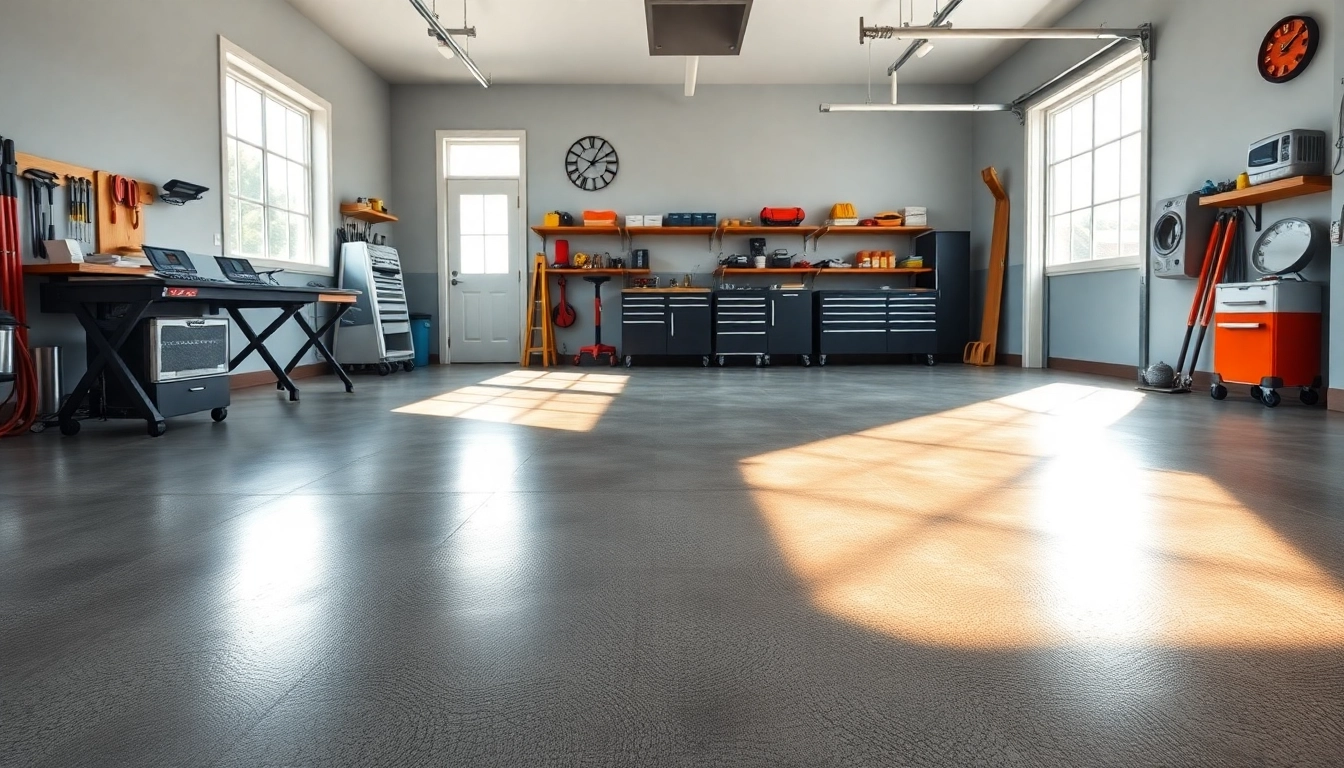
- Custom Epoxy Designs: Personalized designs with different colors and patterns are sought after, adding a unique touch.
- Geometric Patterns: Tiles arranged in distinctive patterns can enhance visual interest.
- Environmentally Friendly Options: Sustainable and eco-friendly materials are becoming a preferred choice.
How to Incorporate Creative Elements into Your Garage
Incorporating creative elements can elevate the garage space:
- Consider using bold colors or designs that reflect your personality.
- Mix different materials for flooring zones – specially designated spaces can be both practical and stylish.
- If applicable, consider underfloor heating for comfort in cold climates.
Inspiration and Ideas for Updating Garage Floors
If you're looking for inspiration to update your garage floors, consider the following ideas:
- Transform with a stylish tile pattern or unique epoxy finish.
- Incorporate storage solutions that utilize the vertical space around the floor area.
- Use space-saving furniture and shelving that complements your flooring style.
Frequently Asked Questions
What is the best type of flooring for a garage?
The best type depends on your use case. Epoxy is great for durability, while rubber is suitable for cushioned workspaces.
How do I prepare my garage floor for epoxy?
Clean the floor thoroughly, repair any cracks, and ensure it’s dry before applying epoxy. Properly mixing the components is also essential.
Can I install garage floors over existing flooring?
It's generally best to remove old flooring to ensure proper adhesion. However, some materials like vinyl may be installed over existing layers if properly prepared.
How often should I clean my garage floors?
Routine cleaning once a month is recommended. Heavy usage areas may need more frequent attention to avoid buildup and staining.
Can I install garage flooring myself?
Yes, many homeowners successfully install flooring themselves, especially if they have DIY experience. However, complex installations may benefit from professional help.