
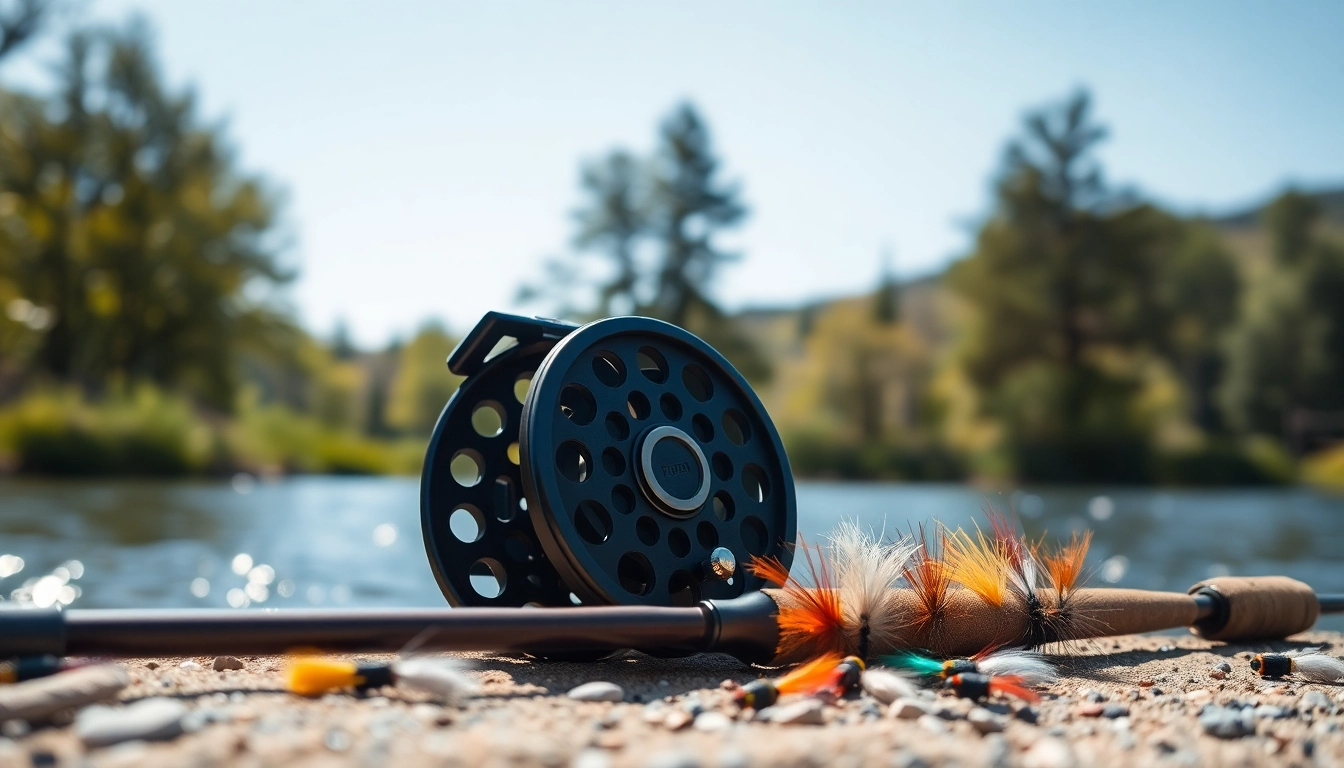
Understanding the Basics of a Fly Fishing Kit
Fly fishing is a distinct and enjoyable sporting activity that engages enthusiasts of all ages. For those just stepping into this captivating world, a comprehensive Fly fishing kit serves as an essential starting point. Understanding what comprises a fly fishing kit is fundamental to achieving success and enjoying the sport.
What Is Included in a Fly Fishing Kit?
A fly fishing kit is generally designed to contain all the essential equipment and tools needed for successful fly fishing. While the specific contents can vary, a fundamental kit typically includes the following components:
- Fly Rod: The rod is a critical piece of equipment used to cast the line and retrieve fish. Rod length, weight, and material can all affect performance.
- Fly Reel: The reel is used to store, manage, and retrieve the fishing line. It's integral for consistent casting and landing fish.
- Fly Line: This specialized line is weighted and designed to facilitate the precise delivery of flies to the target area.
- Leader Line: A transparent monofilament line that connects the fly line to the fly. It enhances the stealth of your presentation.
- Flies: Artificial flies designed to imitate natural insects, baitfish, or crustaceans. Choices can vary widely based on target species.
- Accessories: Essential accessories may include nippers, forceps, floatant, tippet, and a tackle box or bag.
Key Components of a Fly Fishing Kit
Each component of a fly fishing kit plays a crucial role in the overall success of the angler. Here’s a deeper dive into these key components:
- Fly Rod: Typically made from graphite or fiberglass, the rod's action—fast, medium, or slow—determines its responsiveness. Beginners often benefit from medium-action rods for greater versatility.
- Fly Reel: Quality reels can significantly improve the experience by offering smooth retrieves and durable construction. Understanding drag systems is essential for optimal performance.
- Fly Line: Fly lines are available in various weights, and selecting the right weight for specific fishing conditions is crucial. The profile and taper of the line also affect casting capabilities.
- Leader and Tippet: Leaders provide an essential transition between the fly line and the fly, while tippets enable precision knot-tying at the fly's end. Tippet diameters affect visibility and the ability to fool fish.
- The Right Flies: Selecting the correct flies based on location and targeted fish plays a crucial role. Matching the local hatch can provide a significant advantage.
Benefits of Using a Fly Fishing Kit
Utilizing a fly fishing kit offers several benefits, particularly for beginners:
- Convenience: All essential tools are packaged together, ensuring anglers have everything they need right from their first outing.
- Cost-Effectiveness: First-time buyers can enjoy significant savings by purchasing a kit compared to buying individual pieces separately.
- Custom Selection: Kits are often tailored to particular types of fishing—like freshwater or saltwater—ensuring the right tools for the job.
- Time-Saving: Choosing a comprehensive kit minimizes the time spent researching and selecting individual components.
Choosing the Right Fly Fishing Kit for Beginners
For newcomers to the sport, selecting the appropriate fly fishing kit is paramount. A well-chosen kit can boost confidence and increase the likelihood of success while fishing.
Factors to Consider When Selecting a Fly Fishing Kit
When selecting your fly fishing kit, consider the following factors:
- Fishing Environment: Determine if you will be fishing in freshwater lakes, rivers, or saltwater, as the kit components may differ accordingly.
- Target Fish Species: Understand the types of fish you aim to catch, as this will inform your rod, reel, line weight, and flies to select.
- Skill Level: Choose a kit designed with beginners in mind to simplify the learning curve and ensure ease of use.
- Budget: Set a budget before shopping, and explore kits that offer value while meeting performance expectations.
Popular Fly Fishing Kit Options for New Anglers
For those just starting out, the following options are typically recommended for their quality and budget-friendliness:
- Beginner-Friendly Kits: Kits specifically crafted for novices often include easy-to-use equipment and instructional material.
- All-in-One Combos: Combo kits with rods, reels, lines, and flies allow for a streamlined and efficient purchasing experience.
- Customizable Kits: Some suppliers offer customizable kits where you can select components based on personal preferences.
Common Mistakes to Avoid as a Beginner
New anglers often make common mistakes when starting in fly fishing. Avoiding these can save both time and frustration:
- Incorrect Equipment: Ensure you have the properly rated rod and reel for the species and environment intended.
- Overloading the Rod: Using flies that are too heavy can hinder casting performance.
- Neglecting Practice: Take advantage of practice casting to enhance accuracy and decision-making skills.
- Ignoring Local Conditions: Always research the local fishing regulations and species' behavior for more successful outings.
Advanced Features to Look for in a Fly Fishing Kit
For those who are looking to refine their skills and take their fly fishing experiences to the next level, exploring advanced features can make a significant difference.
Material Considerations for Rods and Reels
When selecting a fly rod and reel, material choices can significantly influence performance, such as:
- Graphite: A popular choice for its lightweight and sensitive characteristics, it offers excellent casting distance and finesse.
- Fiberglass: Heavier and often more affordable, fiberglass rods provide durability and a smoother action.
- Aluminum: Commonly used in reels for a balance of light weight and sturdiness.
Fly Line Types and Their Impact
Choosing the right fly line is critical:
- Weight Forward: Ideal for beginners, it allows for easier casting and better control.
- Shooting Line: Ideal for long-distance casts, providing the ability to shoot more line with less effort.
- Double Taper: Offers flexibility for casting and the ability to reverse line wear.
Understanding Fly Selection in Your Kit
Proper fly selection is essential for success in fly fishing. Factors that may influence your choice include:
- Hatch Matching: Select flies that mimic the insects currently hatching in your fishing area.
- Water Conditions: Local water conditions may require specific patterns or sizes for success.
- Target Species: Different species respond to different flies; targeting the right fish helps inform your selection.
Maintaining Your Fly Fishing Kit for Longevity
Proper maintenance of your fly fishing kit is essential for ensuring its longevity and performance over time. Following best practices can keep your gear in optimal condition.
Care Tips for Rods and Reels
Taking care of rods and reels includes:
- Cleaning: Make it a habit to rinse your rod and reel with freshwater after each use, especially when used in saltwater.
- Check for Damage: Regularly inspect for cracks, frays, or corrosion related to your gear.
- Storing Properly: Utilize rod tubes or cases and store in a cool dry place to prevent damage.
Storing and Organizing Your Fly Fishing Kit
Organization is key to a successful outing:
- Use a Tackle Box: Organize flies by type, size, and color for easy access during fishing trips.
- Label Storage Containers: Create labels for quick identification and retrieval of gear.
When to Replace Equipment in Your Kit
Recognizing when to replace components can keep your kit functional:
- Frequent Breakage: If a specific component repeatedly breaks, it may be time for a replacement.
- Performance Issues: If casting isn't smooth, a worn line or damaged reel may require attention.
Frequently Asked Questions About Fly Fishing Kits
What is the average cost of a Fly fishing kit?
The average cost of a Fly fishing kit typically ranges from $100 to $300, depending on the quality and included components.
Can I use a Fly fishing kit in saltwater?
Yes, many Fly fishing kits are suitable for saltwater. Ensure your kit's components are compatible with saltwater conditions.
What types of fish can I catch with a Fly fishing kit?
You can catch various species including trout, bass, and even saltwater species like tarpon or bonefish, depending on your kit.
How do I choose the right size Fly fishing kit?
Select a Fly fishing kit based on your target species, water type, and personal casting preferences. Weight and rod length matter here.
Are there specific brands recommended for a Fly fishing kit?
Look for reputable manufacturers known for quality materials and performance, but focus on finding the kit that meets your specific needs.