
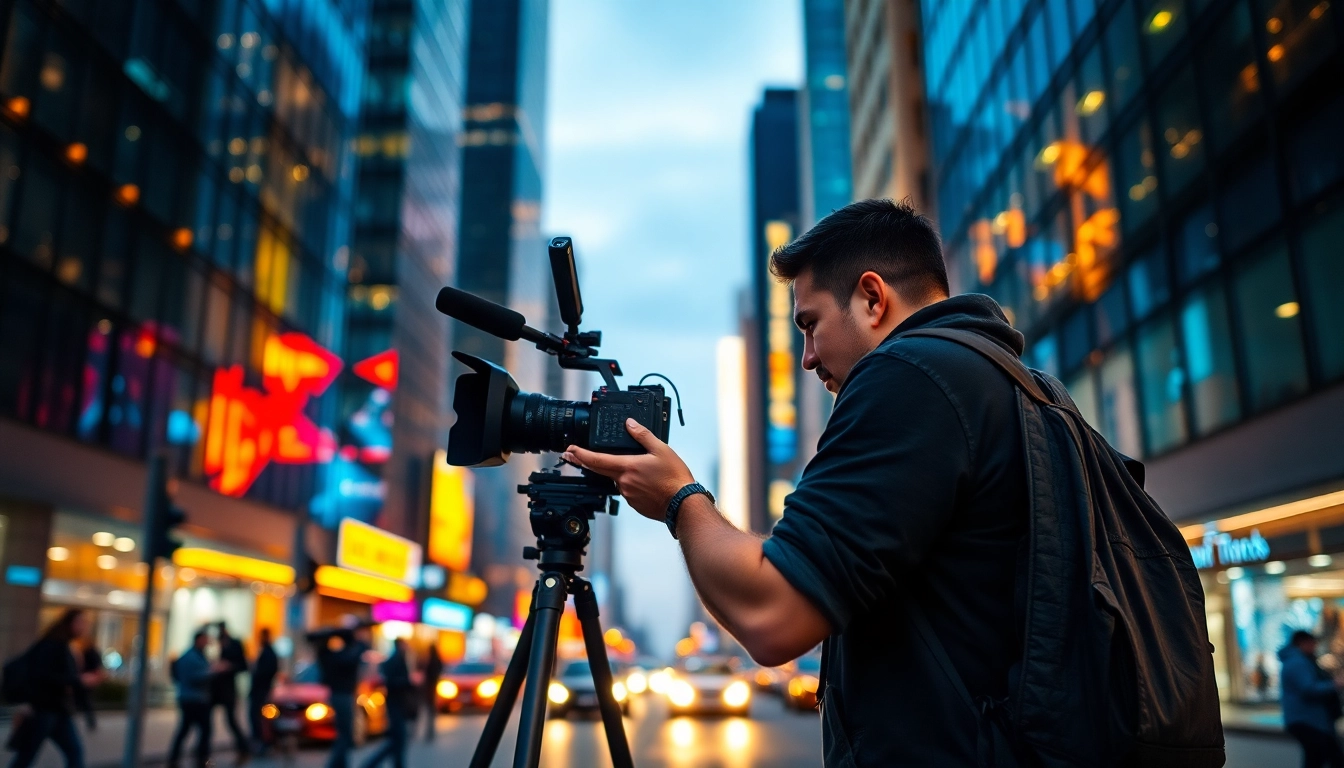
Understanding Cinematic Video Production
Cinematic video production transcends mere recording; it is an art form that involves a meticulous process of storytelling through visuals. The goal is to create videos that evoke emotions, encapsulate experiences, and engage audiences in a manner that is both aesthetically pleasing and narratively compelling. This guide delves deep into the principles, techniques, and necessary tools involved in cinematic video production, equipping creators with the knowledge to produce stunning videos that stand out in today’s competitive landscape.
The Basics of Cinematic Video Production
At its core, cinematic video production involves the thoughtful integration of narrative, imagery, and sound. This discipline requires an understanding of both theoretical principles and practical applications. To achieve a cinematic quality, filmmakers must consider several foundational elements:
- Storytelling: Every cinematic video must tell a story. Whether it's a short film, a commercial, or a documentary, the narrative should be front and center.
- Visual Aesthetics: Cinematic productions often rely on high-quality visuals that appeal to the audience, using composition, color, and movement to enhance the storytelling.
- Technical Mastery: A certain level of technical knowledge is essential. This includes proficiency with camera operation, lighting design, audio recording, and post-production techniques.
Key Elements of Cinematic Aesthetics
Cinematic aesthetics refer to the visual and auditory qualities that define the viewing experience. Here are the primary components:
- Composition: The arrangement of visual elements within the frame is crucial. Good composition draws the viewer's attention and supports the narrative.
- Color Grading: This process alters the colors in post-production to convey mood and tone, reinforcing the emotional impact.
- Lighting: Proper lighting can dramatically alter the appearance and emotion of a scene. Techniques such as three-point lighting or natural light can greatly improve the cinematic feel.
Common Misconceptions in Cinematic Video Production
While aspiring filmmakers often seek to understand cinematic video production, there are several misconceptions that may hinder their progress:
- High Budget Equals Quality: Many believe that great cinematic videos require a large budget. However, creativity and resourcefulness can produce stunning results regardless of financial constraints.
- Only Professionals Can Create Cinematic Work: The advent of accessible technology has enabled anyone to create cinematic-quality work. While professional training can help, passion and practice are equally essential.
- Post-Production Fixes Everything: While editing can enhance footage, it cannot replace poor planning or bad shooting techniques. Attention must be paid during filming.
Essential Equipment for Cinematic Video Production
The right tools can make a significant difference in the quality of your cinematic production. Here are some essential pieces of equipment used by professionals in the field:
Cameras and Lenses Used in Cinematic Video Production
The camera is the heart of any cinematic production. Choosing the right camera and lenses can greatly affect the output quality. Key considerations include:
- Camera Type: While DSLRs and mirrorless cameras are popular for their versatility and affordability, dedicated cinema cameras offer advanced features for serious filmmakers.
- Lenses: The choice of lens affects the depth of field, focal length, and overall aesthetic. Prime lenses are known for their sharpness, while zoom lenses provide flexibility.
- Frame Rate: Cinematic video is typically shot at 24 frames per second, which provides the classic film look. Some productions may opt for higher frame rates for specific effects.
Lighting Techniques for Cinematic Video Production
Lighting is fundamental in achieving a cinematic feel. Consider the following techniques:
- Three-Point Lighting: This classic technique involves using a key light, fill light, and backlight to create depth and dimension.
- Natural Lighting: Utilizing natural light can bring authenticity to the production. Positioning subjects strategically can harness sunlight effectively.
- Color Temperature: Understanding the color temperature of light sources helps create a consistent look and sets the mood of the scene.
Audio Gear for Superior Cinematic Sound
Sound is crucial to a cinematic experience, often overlooked by beginners. Quality audio enhances storytelling and immerses viewers. Essential audio equipment includes:
- Microphones: Using high-quality shotgun microphones, lavaliers, and handheld recorders can capture clean audio. Different mics serve various recording situations.
- Audio Mixers: A good audio mixer allows for multiple input sources, giving the filmmaker greater control over sound levels and quality.
- Headphones: Monitoring audio during recordings is crucial. Using closed-back headphones helps detect noise issues during shooting.
Techniques to Achieve a Cinematic Look
Achieving a cinematic look involves meticulous planning and execution. Below are techniques that can enhance the quality of your production:
Framing and Composition in Cinematic Video Production
Framing and composition are vital elements that impact the storytelling of a scene. Here are some guidelines:
- Rule of Thirds: Dividing the frame into thirds both horizontally and vertically can create balanced and interesting compositions.
- Leading Lines: Utilizing natural lines within a scene guides the viewer’s eye towards the subject or focal point.
- Depth Creation: Incorporating foreground, mid-ground, and background elements adds layers and depth to the frame.
Color Grading for Cinematic Video Production
Color grading is the process of correcting and enhancing the color of video footage. This technique can add a polished and professional finish:
- Understanding Color Wheels: Color wheels adjust the color balance of shadows, mid-tones, and highlights to create desired moods.
- Creating LUTs: Look-Up Tables (LUTs) can quickly apply a specific color style to footage, providing consistency across different scenes.
- Experimenting with Tints: Adding a tint can significantly change the mood of the video, from warm and nostalgic to cold and clinical.
Utilizing Motion to Enhance Cinematic Footage
Registering motion in film can amplify the storytelling aspect. Techniques include:
- Camera Movement: Dynamic shots such as pans, tilts, and tracking shots can create suspense and maintain viewer engagement.
- Slow Motion: Slowing down action heightens emotions and emphasizes pivotal moments.
- Stabilization: Utilizing gimbals or steadicams ensures smooth video, providing a polished and professional appearance.
Post-Production Workflow in Cinematic Video Production
Post-production is where the project comes to life through careful editing, sound design, and finishing touches. A systematic workflow is essential for efficiency:
Editing Strategies for a Cinematic Feel
Editing is where the raw footage transforms into a cohesive narrative. Consider these strategies:
- Establishing a Rhythm: The pace of editing should reflect the mood of the story; faster cuts may work well for action, while slower edits may suit dramatic moments.
- Creative Transitions: Utilizing different transition styles can enhance the narrative flow. Consider crossfades, wipes, and cuts to maintain viewer interest.
- Sound Syncing: Aligning visuals with sound effects and music enhances immersion and guides emotional responses.
Sound Design in Cinematic Video Production
Sound design elevates the visual storytelling. Key aspects include:
- Background Ambient Sounds: Employing ambient sounds creates an immersive environment, grounding the viewer in the scene.
- Foley Effects: Adding Foley sounds establishes a sense of realism, enhancing the viewing experience.
- Music Scoring: Original composition or carefully selected music tracks can evoke emotion and underscore narrative arcs.
Finalizing and Exporting for Maximum Impact
The final steps of post-production are crucial for delivering a polished product. Here’s how to finalize your film effectively:
- Quality Control: Review your video thoroughly to check for any errors in editing, sound, or visual quality before exporting.
- Export Settings: Choose the appropriate settings based on the platform for which the video is intended. Different formats may be required for web, broadcast, or cinema.
- Reviewing Distribution Options: Consider how the film will be shared and promote it through appropriate channels to reach your target audience.
Trends in Cinematic Video Production
Cinematic video production is constantly evolving, influenced by technological advancements and changes in viewer preferences. Here are some notable trends to watch:
Exploring the Future of Cinematic Video Production
The trajectory of cinematic video production is shaped by a variety of factors including technological innovations and the shifting habits of media consumption:
- Streaming Services: As more viewers opt for on-demand content, filmmakers are adjusting to create captivating short-form content that suits these platforms.
- Virtual Reality: VR is gaining ground as an immersive medium, allowing audiences to engage with stories in an entirely new way, making the viewer a part of the narrative.
- Interactive Storytelling: Technologies that enable audience participation in the storytelling process are becoming popular, altering the traditional narrative structure.
Impact of Technology on Cinematic Video Production
Technological advancements have transformed cinematic production methodologies:
- Advanced Camera Technology: Innovations like 4K resolution, HDR, and improved sensor technology have raised the bar for image quality, making high-quality production accessible.
- Affordable Software: Editing and post-production software have become more powerful and affordable, enabling more creators to produce cinematic-quality work without extensive budgets.
- AI in Production: Artificial intelligence is starting to influence tasks such as color grading, sound editing, and even scriptwriting.
Case Studies of Successful Cinematic Video Productions
Highlighting real-world examples illustrates how strategic approaches can lead to significant successes in cinematic video productions:
Studies show that short format films on social media can achieve viral status. One example is the emergence of mini-documentaries on platforms like Instagram and TikTok, which often blend storytelling with high production values. These projects leverage audience engagement by encapsulating powerful narratives into digestible formats. Visionary directors and producers are creating content that resonates with audiences emotionally, employing the strategies detailed in this guide to great success.
By consistently honing techniques and adopting new trends, filmmakers can continue to elevate their work in the field of cinematic video production and engage viewers across various platforms in a meaningful way.