Understanding Shower Types in the UK
Common Types of Showers
When it comes to choosing a shower in the UK, several options cater to different preferences, layouts, and budgets. The main types include:
- Electric Showers: These showers heat water on demand and do not require a hot water system. Ideal for homes with limited plumbing capabilities.
- Mixer Showers: These systems mix hot and cold water together to create the desired temperature. They require a continuous hot water supply, making them popular in standard households.
- Digital Showers: Offering a high-tech experience, these showers allow users to set precise temperatures and water flow via digital controls.
- Power Showers: Equipped with a pump, power showers enhance the water pressure, making them suitable for homes with low water pressure.
- Thermostatic Showers: These regulate water temperature automatically, providing safety by preventing sudden temperature changes.
Choosing the Right Shower for Your Needs
Selecting the perfect shower depends on various factors:
- Water Supply: Assess whether your home has adequate hot water supply.
- Water Pressure: Low pressure may require a power shower for an optimal experience.
- Bathroom Size: Consider the space available for installation and how it impacts the type of shower you can install.
- Budget: Different shower types come with varying price points that can impact your overall bathroom budget.
- Aesthetic Preferences: Choose something that complements your existing bathroom design.
Benefits of Different Shower Styles
Each shower type offers unique advantages:
- Electric Showers: Cost-effective and easy to install, making them ideal for refurbishments.
- Mixer Showers: They deliver a continuous hot water flow, enhancing comfort and convenience.
- Digital Showers: Incorporate advanced features such as remote control and programmable settings for custom experiences.
- Power Showers: Ensure a refreshing shower even in homes with varying water pressure.
- Thermostatic Showers: Provide peace of mind, especially for families with children or vulnerable members, as the temperature remains consistent.
Shower Installation: A Step-by-Step Guide
Preparing Your Bathroom Space
Before installation, preparing the bathroom is essential. Begin by clearing the area and ensuring you have sufficient power or plumbing for your chosen shower type.
Tools and Materials Needed
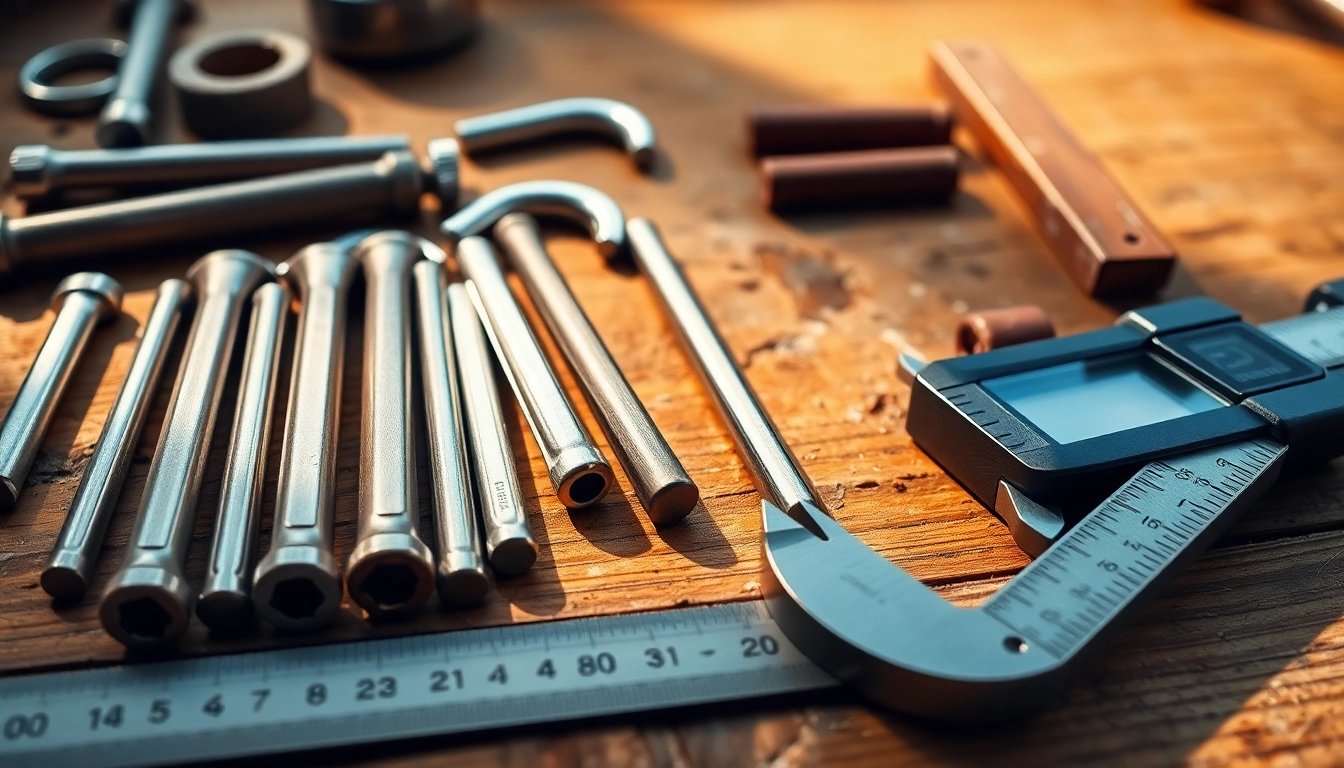
Gather essential tools and materials, including:
- Wrench and screwdrivers
- Pipe fittings and connectors
- Plumber's tape
- Silicone sealant
- Level and measuring tape
- Safety goggles and gloves
Installation Tips for Best Results
Follow these steps to ensure a successful installation:
- Read Instructions: Always follow the manufacturer's installation instructions carefully.
- Water Supply: Ensure the water supply is turned off before beginning.
- Positioning: Properly position the shower at an ergonomic height for convenience.
- Seal Connections: Use plumber's tape and silicone sealant for all connections to prevent leaks.
- Test: Once installed, check for leaks and adjust water temperature settings.
Maintenance Tips for Your Shower UK
Cleaning Solutions for Different Materials
Maintaining a clean shower not only ensures hygiene but also prolongs its lifespan. Consider these cleaning solutions based on materials:
- Glass: Use vinegar and water for a streak-free shine.
- Chromed Fixtures: Mild soap and water can keep fixtures clean without damaging the finish.
- Plastic: Simple warm soapy water works wonders, avoiding abrasive cleaners that can scratch.
Common Shower Issues and Their Fixes
Every shower faces occasional issues. Some common problems include:
- Low Water Pressure: Check for blockages in the showerhead.
- Leaking Showerhead: Replace washers or tighten connections to prevent further leaks.
- Temperature Fluctuations: Test the mixer valve; it may need to be replaced.
Extending the Life of Your Shower
To ensure longevity, routinely check for wear and tear, clean regularly, and use gentle cleaning products. Also, consider water softeners if hard water is a concern.
Innovative Shower Accessories You Should Consider
Shower Heads and Their Features
Choosing the right showerhead can enhance your shower experience. Consider:
- Adjustable Spray Settings: Let you control water flow and intensity.
- Water Efficiency: Low-flow models can save water without sacrificing performance.
- Handheld Showerheads: Offer flexibility for cleaning and bathing needs.
Water Saving Accessories
Investing in water-saving devices is both economical and eco-friendly. Features to look for include:
- Flow Restrictors: Limit water flow rates, reducing consumption.
- Smart Showerheads: Track usage to promote awareness and conservation.
Smart Shower Technologies
Smart showers integrate modern technology, allowing for features like temperature control via smartphone apps and voice activation, enhancing user experience through convenience and customization.
Exploring Shower UK Trends and Innovations
Popular Trends in Bathroom Design
Current trends in bathroom design focus on creating a spa-like experience with features such as:
- Minimalist Design: Clean lines and uncluttered spaces with neutral palettes.
- Integrated Lighting: Smart lighting that adjusts to create ambiance.
- Freestanding Showers: Central elements that create a luxurious feel.
Eco-Friendly Shower Solutions
Many homeowners are leaning towards eco-friendly solutions such as:
- Solar-Powered Water Heaters: Reduce reliance on traditional energy sources.
- Recycled Water Systems: Capture and repurpose shower water for non-potable uses.
The Future of Shower Technology
Emerging technologies promise to enhance the showering experience significantly. Look out for:
- Smart Sensors: Automatic adjustments based on personal preferences.
- Integrated Audio and Multimedia: Offer a more immersive bathing experience.
Frequently Asked Questions About Showers in the UK
How often should I clean my shower?
It’s best to clean your shower weekly to prevent buildup and maintain hygiene. Regular maintenance keeps your shower looking fresh.
What shower head is best for water pressure?
High-pressure showerheads or those designed specifically for low pressure are ideal. Look for models rated for increased water flow efficiency.
Can I install a shower myself?
Yes, but ensure you have the necessary tools and follow installation guidelines carefully. If uncertain, hiring a professional is advisable.
What type of shower is most economical?
Electric showers are often the most economical, as they heat water on demand and can be installed in homes without a standard heating system.
How can I improve water efficiency in my shower?
Consider installing low-flow showerheads, taking shorter showers, and using water-saving accessories like flow restrictors.
By understanding the various types of showers available, methods for installation, and maintenance tips, you can create an exceptional shower experience tailored to your preferences. For additional resources and information on shower uk, explore expert guidance to make the most informed decisions for your bathroom.