Understanding the Appeal of Retro Appliances
What Defines a Retro Appliance?
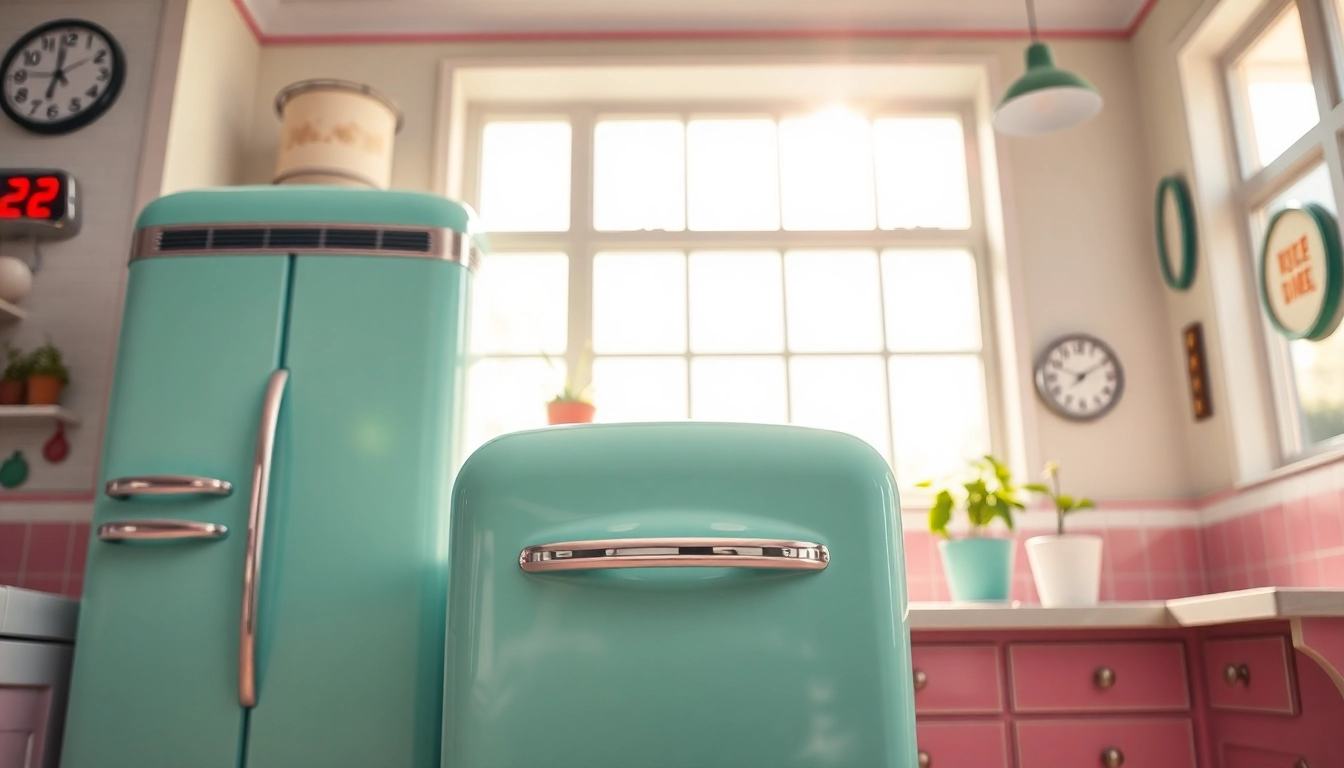
Retro appliances have become a prominent trend in modern interiors, characterized by their unique blend of nostalgia and functionality. Typically, these appliances are designs that draw inspiration from the styles and aesthetics of past decades, particularly the 1950s and 1960s. They often feature vibrant colors, unique shapes, and chrome detailing, appealing to those who wish to evoke a sense of the past while enjoying state-of-the-art technology. The resurgence of interest in vintage design has led to a new generation of consumers investing in these eye-catching pieces that command attention in any room.
The Emotional Connection to Nostalgia
Nostalgia plays a significant role in our attraction to retro appliances. For many, these designs evoke cherished childhood memories of family gatherings or dinners cooked in brightly colored kitchens. This emotional connection fosters a sense of warmth and familiarity, making retro appliances more than just functional items; they become cherished elements of home decor. By incorporating a retro appliance into your home, you are not only embracing its aesthetic but also celebrating personal and collective histories.
Design Trends Inspired by Vintage Models
Design trends continually evolve, with retro appliances influencing not just kitchens but entire homes. The recognizable curves and pastel color palettes of these appliances seamlessly integrate into various design styles, from mid-century modern to eclectic bohemian decor. Moreover, many designers utilize retro elements in their work to create focal points and harmonize contemporary accessories with nostalgic pieces, often leading to stunning interiors that tell a story.
Choosing the Right Retro Appliance for Your Home
Assessing Space: Size and Dimensions
When selecting a retro appliance, it’s crucial to consider the spatial dynamics of your home. Measure the area where the appliance will reside, taking into account both functionality and accessibility. Many retro models come in various sizes to accommodate different kitchen layouts and needs. Ensuring that your chosen appliance fits well within the designated space will not only enhance usability but also prevent potential overwhelm caused by overly large appliances in compact areas.
Selecting Colors that Complement Your Interior
The color of your retro appliance can significantly influence the overall aesthetic of your space. Classic colors such as mint green, bright red, and sunny yellow can create a vibrant, playful atmosphere. In contrast, softer pastels can evoke a calm, nostalgic feel. It’s essential to think about the existing color palette of your home and select an appliance that complements or contrasts effectively with the tones to create visual interest while maintaining harmony.
Functionality vs. Aesthetic: Finding the Balance
While the charm of a retro appliance lies significantly in its aesthetic appeal, functionality should not be overlooked. It’s vital to assess your everyday needs and choose models that not only look great but also work efficiently. Many modern retro appliances incorporate contemporary technology, ensuring that you don’t have to sacrifice performance for style. Finding a balance between form and function is essential for creating a space that is as practical as it is visually appealing.
Integrating Retro Appliances into Modern Spaces
Mixing Styles: Retro Appliances with Contemporary Decor
Combining retro appliances with contemporary decor can produce extraordinary results. The key is to find a harmonious blend of styles that complement each other while allowing the retro pieces to shine. Consider neutral palettes as a backdrop, allowing vibrant appliances to serve as statement pieces within the space. Establishing contrasts through textures, patterns, and other design elements can create stunning visual interest.
Creating a Cohesive Look with Accessories
Accessories play a pivotal role in integrating retro appliances into your home. Consider pairing your appliance with decorative elements like vintage-inspired dishware, retro artwork, or period-appropriate light fixtures that echo the appliance's design. These complementary pieces help establish a cohesive look throughout the room, elevating the retro aesthetic while ensuring the space feels balanced and intentional.
Case Studies: Successfully Using Retro Appliances
Numerous homeowners have successfully incorporated retro appliances into their designs, resulting in uniquely captivating interiors. For example, a small urban kitchen was revitalized by introducing a mint green retro fridge as the focal point, alongside white cabinetry and black accents. This color choice enhanced the room’s overall brightness and added a playful touch. Similarly, a family living room featured a vintage-style toaster in a muted pastel shade that harmonized beautifully with the muted tones of the furnishings, serving both as a functional item and a design highlight.
Maintenance Tips for Retro Appliances
Cleaning and Care Best Practices
Retro appliances typically require specific care to preserve their charm and functionality. Regular cleaning is essential, using gentle, non-abrasive cleaners that do not damage the finishes. For metal parts, stainless steel cleaners work wonders, while glass surfaces should be wiped with a soft cloth and glass cleaner to maintain their shine. Additionally, it is wise to check the manufacturer's recommendations for maintenance and cleaning to ensure longevity.
Common Issues and Troubleshooting
Like all appliances, retro models may encounter issues over time. Common problems can include difficulty maintaining temperature in refrigerators or ovens not heating correctly. For cooling appliances, ensure that the vents are not obstructed, and the seals around doors are intact. Ovens may benefit from recalibrating the temperature settings to maintain accuracy. Regular maintenance can prevent many common issues, ensuring your retro appliance remains in peak condition.
When to Call a Professional
Not all issues can be addressed through basic troubleshooting. If you encounter persistent problems or if mechanical parts fail, it's best to contact a professional technician who specializes in retro appliances. These experts can diagnose and resolve issues effectively, ensuring your vintage piece is restored to full functionality quickly and safely. Regular servicing can also extend the life of your appliance, preserving both its beauty and usability.
Frequently Asked Questions About Retro Appliances
What is a retro appliance?
A retro appliance is designed to evoke nostalgia, featuring styles inspired by earlier decades, particularly the 1950s and 1960s. They blend vintage aesthetics with modern technology.
Are retro appliances energy-efficient?
Many modern retro appliances incorporate energy-efficient technology, offering the charm of vintage designs while meeting current environmental standards, making them eco-friendly options for homes.
How do I choose the right colors for my retro appliance?
Select colors that complement your existing decor. Consider your room's overall color palette, aiming for harmony or contrast to make your retro appliance stand out elegantly.
Can I find replacement parts for retro appliances?
Replacement parts for retro appliances are available, although their availability varies by brand and model. It's advisable to contact manufacturers or specialized retailers for assistance.
Do retro appliances require special maintenance?
Yes, retro appliances require care to sustain their function and appearance. Using appropriate cleaning agents and following manufacturer recommendations can help extend their lifespan.