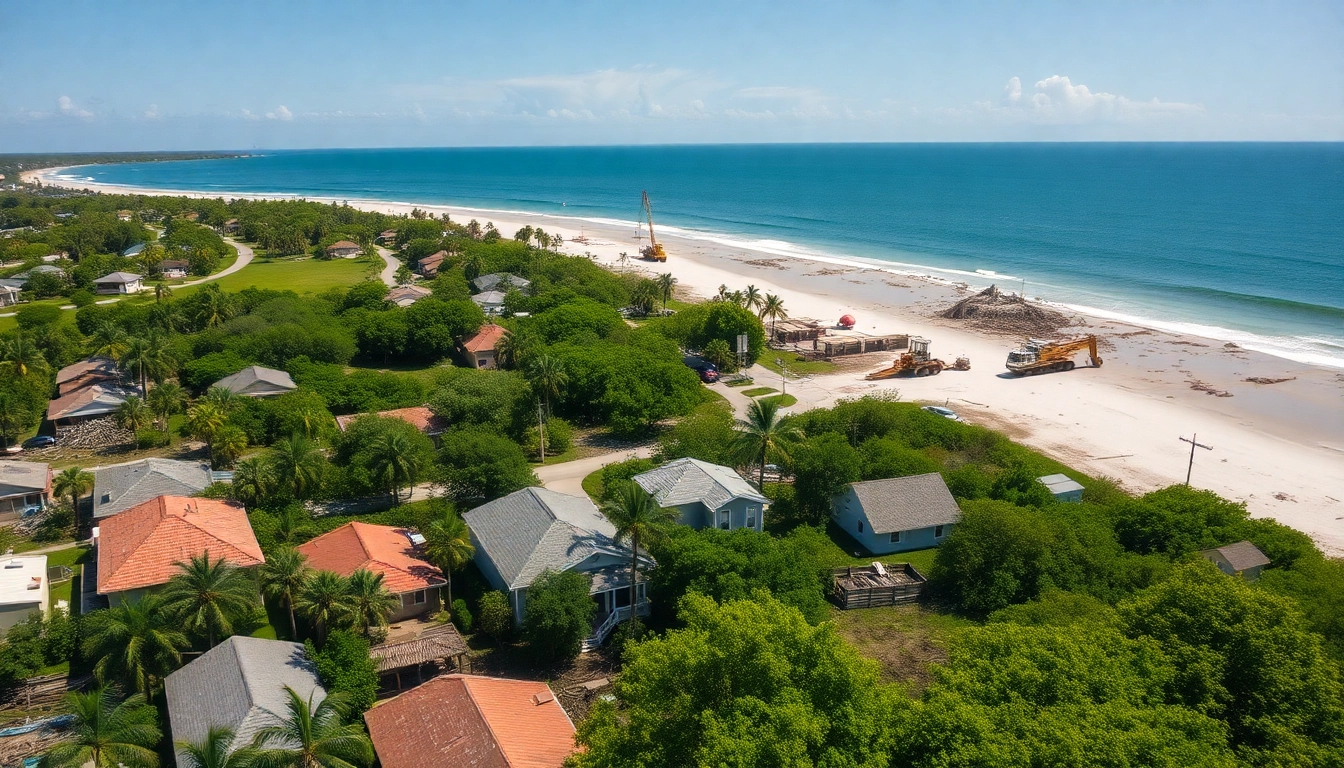
Introduction to Florida Hurricane Damage
Florida is often regarded as a paradise thanks to its stunning beaches, vibrant communities, and year-round sunshine. However, it is also notorious for facing devastating hurricanes that cause significant destruction and disruption. Understanding Florida Hurricane Damage is vital for residents and property owners alike. Preparation, assessment, and recovery strategies are essential components in mitigating the impacts of these natural disasters. This article delves into what constitutes hurricane damage in Florida, the unique climate risks the state faces, and the pressing statistics surrounding hurricane-related destruction.
What Constitutes Hurricane Damage in Florida?
Hurricane damage in Florida is a complex term encompassing a variety of destructive impacts. Generally, it includes physical damage to buildings and infrastructures, which can occur in several forms:
- Structural Damage: This involves compromised integrity of residential and commercial buildings due to wind, debris, or water intrusion.
- Flood Damage: Hurricanes often bring heavy rain that leads to flooding, which can damage flooring, electrical systems, and personal belongings.
- Storm Surge Damage: Coastal properties are particularly vulnerable to storm surges that can result in catastrophic flooding and erosion.
- Content Loss: This includes the destruction of personal items, vehicles, and property, adding an emotional level to the physical damage suffered.
The Unique Climate Risks Faced by Florida Residents
Florida's geographic location and climate make it particularly susceptible to hurricanes. Situated in the southeastern United States, Florida lies in the Atlantic Hurricane Zone, which sees an average of about 12 named storms annually. The state's warm waters serve as fuel for tropical storms, exacerbating the intensity of hurricanes.
In addition to hurricanes, Florida also experiences tropical storms and severe weather events. The warm climate leads to high humidity levels, which can enhance the strength of storm systems. Residents must remain vigilant throughout hurricane season, which lasts from June 1 to November 30.
Key Statistics on Florida Hurricane Damage
The financial toll of hurricanes on Florida is staggering. For example, Hurricane Milton was estimated to have caused around $100 billion in damage, illustrating the potential magnitude of these storms. Over the previous decades, hurricanes have collectively caused tens of billions of dollars in damages. Statistics reveal that an average of 80% of properties impacted by hurricanes will require some form of repair or rebuilding, emphasizing the magnitude of the damage caused.
Moreover, these statistics are not just numbers; they represent the homes, businesses, and lives affected by hurricanes, highlighting the urgent need for robust preparedness and recovery strategies.
Common Causes of Hurricane Damage in Florida
Understanding the root causes of hurricane damage can help residents better prepare for such events. There are several factors that contribute to the extensive damage observed during a hurricane:
The Role of High Winds in Structural Damage
High winds are one of the most destructive elements of a hurricane. Wind speeds often exceed 100 miles per hour, capable of uprooting trees, breaking windows, and obliterating roofing materials. Structural design plays a pivotal role in withstanding these forces; better-built homes with hurricane straps and impact-resistant windows are less likely to incur severe damage.
In many Florida communities, building codes have been updated following major hurricane events to ensure that new structures are better equipped to withstand powerful winds. However, older homes frequently find themselves at a disadvantage during hurricanes due to outdated construction practices.
Flooding and its Impact on Florida Properties
Hurricane-induced rainfall can lead to severe flooding, a leading cause of property damage in Florida. Floodwaters can rise rapidly, sometimes in just a matter of hours, causing water to seep into homes and commercial buildings.
The Federal Emergency Management Agency (FEMA) indicates that even a few feet of floodwater can lead to extensive damage, resulting in costly repairs. Further complicating matters, many traditional homeowner's insurance policies do not cover flood damage, necessitating separate flood insurance.
Storm Surges and Coastal Areas Vulnerability
Storm surges pose perhaps the most significant risk to coastal properties during a hurricane. This phenomenon occurs when hurricane winds push seawater onto the shore, resulting in dangerously high water levels that can inundate homes and businesses. Florida’s extensive coastline, particularly in areas like Miami and the Florida Keys, makes it especially susceptible to this type of damage.
In addition to immediate flooding, storm surges can lead to long-term erosion, impacting not only properties but also natural coastal ecosystems. Residents in vulnerable areas are often advised to evacuate in the face of an impending storm surge due to the inherent dangers of flooding.
Assessing the Extent of Hurricane Damage
After a hurricane has passed, it is vital to assess the damage to understand the scope of repairs needed and whether to file an insurance claim. Proper assessment ensures that homeowners can take the necessary steps towards recovery.
Methods for Evaluating Structural Integrity
The evaluation of structural integrity typically involves a thorough inspection by qualified professionals. Homeowners should begin by checking for any evident signs of damage, such as:
- Visible cracks in walls or ceilings
- Separation of walls from frames
- Damaged roofs or missing shingles
- Damaged windows or doors
Professional engineers or inspectors can perform more in-depth evaluations using advanced techniques, such as moisture detection and load calculations to ensure the safety of the structure.
Identifying Hidden Damages: What to Look For
Not all damage is immediately visible. Homeowners should be aware of potential hidden damages that can arise from hurricanes:
- Foundation Issues: Flooding can lead to soil erosion and compromise the foundation. Signs may include uneven floors or cracks in the foundation.
- Electrical Damage: Water intrusion might have penetrated electrical systems, posing a significant hazard if not addressed.
- Mold Growth: Damp, humid conditions resulting from flooding can lead to mold growth, which poses health risks and may require professional remediation.
Early identification of these damages is crucial as they can escalate to bigger issues if left unchecked.
Post-Hurricane Inspections and Safety Guidelines
Before re-entering a property after a hurricane, safety is paramount. Homeowners should follow essential guidelines:
- Wait for official communication indicating that the area is safe.
- Wear protective gear such as gloves and masks during assessment.
- Avoid entering homes with visible structural damage.
- Document damages with photographs for insurance purposes.
Following these steps helps ensure safety and aids in the insurance claims process.
Effective Recovery Strategies after Hurricane Damage
Recovery from hurricane damage is a process that can extend over months or even years. By implementing effective strategies, residents can rebuild their lives and communities.
Emergency Response and Short-Term Assistance
Immediately following a hurricane, short-term assistance is crucial. This can include:
- Emergency Shelters: Local authorities often set up emergency shelters to provide temporary housing for displaced residents.
- Rescue Operations: First responders are deployed to assist those in need, particularly in heavily affected areas.
- Food and Water Distribution: Government and volunteer agencies often provide food and clean water to affected populations.
Within days of the storm, residents can often begin to receive federal assistance through FEMA by applying for disaster relief assistance to cover immediate needs.
Long-Term Recovery Plans: Rebuilding Communities
Recovery is not only about rebuilding structures but also about restoring the community. Long-term plans should include:
- Community Engagement: Involving community members in recovery planning helps address local needs and priorities.
- Infrastructure Improvement: Investing in better infrastructure can help withstand future storms.
- Economic Assistance: Support for local businesses is essential for revitalizing the economic landscape.
Local governments play a vital role in coordinating these efforts, making it imperative for residents to stay involved and informed.
Insurance Claims and Financial Support
Navigating insurance claims can often be a daunting task after sustaining hurricane damage. Key steps include:
- Reviewing Insurance Policies: Understand what is and isn’t covered under your policy.
- Documenting Damage: As mentioned earlier, photographs and written accounts of damages will be beneficial when filing claims.
- Consulting Professionals: Insurance adjusters or public adjusters can assist in ensuring that you receive a fair settlement based on damage assessments.
Additionally, financial assistance may be available through community resources, local governments, or non-profit organizations aimed at helping victims of natural disasters.
Preventative Measures to Mitigate Future Hurricane Damage
Taking proactive steps to prevent hurricane damage can be more effective than waiting for disaster to strike. Both individual and community-level actions can significantly enhance resilience.
Home Improvements for Increased Resilience
Homeowners can invest in several home improvements to enhance resilience:
- Hurricane Straps: Installing hurricane straps to reinforce the roof can help keep it intact during high winds.
- Impact-Resistant Windows: Upgrading windows to impact-resistant models can safeguard interiors from debris and water intrusion.
- Elevating Utilities: Raising heating and cooling systems, electrical panels, and major appliances above the flood level can prevent water damage.
Additionally, ensuring proper drainage around the property can further reduce flooding risk.
Community-Level Strategies for Hurricane Preparedness
At the community level, collective action can enhance overall resilience:
- Emergency Response Planning: Communities should establish clear emergency plans that outline evacuation routes, shelter options, and communication protocols.
- Public Awareness Campaigns: Educating residents about preparedness strategies, such as creating emergency kits and staying informed about weather alerts.
- Investment in Infrastructure: Communities should prioritize infrastructure that can withstand severe weather, such as flood barriers and improved drainage systems.
Government Policies and Support Systems
Government policies play a crucial role in hurricane preparedness and recovery. Local, state, and federal governments should focus on:
- Building Codes and Zoning Laws: Implementing strict building codes and land-use regulations can help minimize damage.
- Funding for Research and Development: Investment in materials and technologies that enhance weather resistance will prove beneficial.
- FEMA and Local Assistance Programs: Ensuring efficient distribution of funds and resources to areas recovering from storm damage.
Moreover, community members must actively communicate their needs to local officials to ensure that the strategies put in place effectively address their specific concerns.