
Understanding Bed Bug Chemical Treatment
Bed bugs have emerged as a troubling pest for many homes, leading to sleepless nights and incessant itching. Understanding bed bug chemical treatment options is crucial for anyone facing an infestation. This comprehensive guide will delve into what bed bugs are, how to identify them, and why prompt treatment is essential.
What Are Bed Bugs?
Bed bugs are small, reddish-brown insects that feed on human blood. They are nocturnal and often hide in mattresses, bed frames, and furniture during the day. Adult bed bugs are roughly the size of an apple seed, while nymphs are much smaller. These parasites can reproduce quickly, making infestations escalate within a short period. Understanding their life cycle is essential in combating them effectively.
Signs of Bed Bug Infestation
Identifying a bed bug infestation early can save you from extensive damage. Some common signs to look for include:
- Red, itchy bite marks on the body, often in lines or clusters.
- Dark spots (bed bug excrement) on sheets or mattress seams.
- Eggs or molted shells found in hiding places.
- A musty odor in heavily infested areas.
If you notice these signs, immediate action is necessary to prevent further spread.
Importance of Prompt Treatment
Delaying treatment can lead to larger infestations, making eradication more challenging. Bed bugs are known for their resilience, often surviving harsh conditions. Prompt treatment can minimize property damage and discomfort, enhancing your quality of life.
Types of Chemicals Used in Bed Bug Treatment
There are several classes of chemicals effective for bed bug control, each with unique mechanisms of action and applications.
Pesticide Options for Effective Control
Conventional bed bug pesticides can be broadly categorized into two types: contact insecticides and residual insecticides. Contact insecticides work immediately upon application, killing bed bugs on contact. Residual insecticides remain active for a period, allowing them to kill bugs that come into contact with treated surfaces later. Some commonly used active ingredients include:
- Pyrethroids: Synthetic versions of pyrethrins, which are compounds derived from chrysanthemum flowers.
- Pyrroles: These disrupt cellular processes in bed bugs, leading to their death.
- Neonicotinoids: Affect the nervous system of bed bugs, making them highly effective.
Biochemicals and Their Benefits
Biochemicals, such as cold pressed neem oil, can be effective against bed bugs and pose less risk to humans and pets. They disrupt the insect’s life cycle and can reduce its feeding and reproductive capabilities. Utilizing biochemicals can also enhance the overall efficacy of conventional treatments when applied strategically.
Natural Alternatives vs. Chemical Solutions
Many people consider natural alternatives when facing a bed bug infestation. While options like diatomaceous earth and essential oils can help, they often require multiple applications for full effectiveness. Comparing chemical solutions to natural alternatives, the former typically provides faster and more reliable results, especially in severe infestations.
Preparing for Effective Bed Bug Chemical Treatment
Proper preparation is key to the success of any bed bug treatment plan. Ensuring your home is ready can enhance the effectiveness of the chosen method.
Steps to Prepare Your Home
Follow these steps before implementing a chemical treatment:
- Declutter the infested area to reduce hiding spots.
- Remove and wash bed linens, curtains, and soft furnishings in hot water.
- Vacuum floors and furniture meticulously to remove eggs and bugs.
- Seal cracks and crevices where bugs can hide.
Taking these actions not only prepares your home but also reduces the number of chemicals needed, making the treatment more cost-effective.
Prioritizing Safety During Treatment
Safety should always be a priority when using chemical treatments. Here are a few recommendations:
- Keep pets and children away from treated areas until safe.
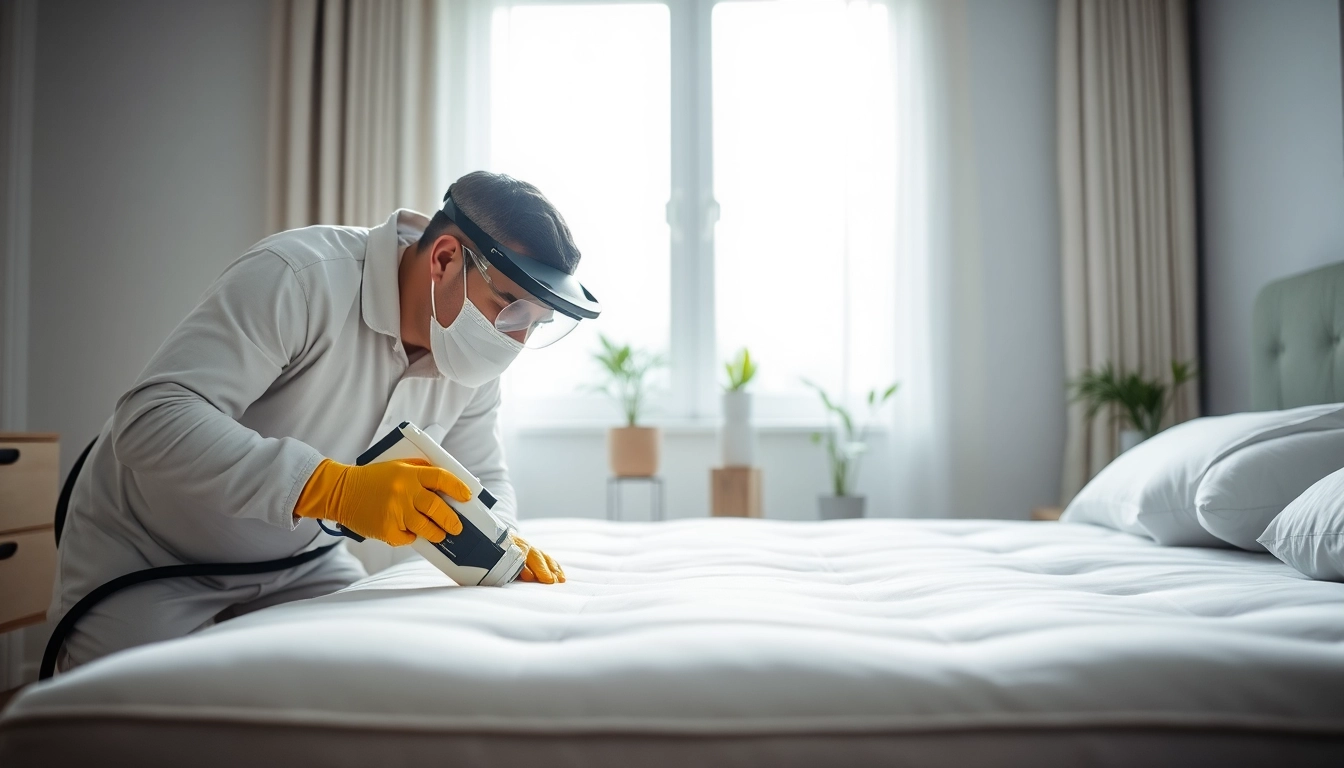
- Use protective gear such as gloves and masks, especially for DIY treatments.
- Ensure proper ventilation during and after treatment.
By following safety guidelines, you can effectively protect your family and pets while enhancing treatment efficacy.
Follow-Up Actions After Treatment
After the application of chemicals, it’s crucial to take follow-up actions to ensure lasting results. Regularly inspect for signs of re-infestation, maintain cleanliness to eliminate potential dwelling spots, and consider using traps to monitor any activity.
How to Ensure Effective Bed Bug Chemical Treatment
To maximize the effectiveness of your chemical treatment, consider the following strategies:
Techniques for Maximum Efficacy
Applying the chemicals correctly can make all the difference. Always follow the manufacturer’s instructions alongside the following techniques:
- Apply the chemical in a consistent layer over infested areas.
- Combine different classes of pesticides to avoid resistance.
- Focus on high-traffic and high-hiding areas.
Employing these techniques not only improves your treatment’s success rate but can also save time and money.
Common Mistakes to Avoid
Effective treatment requires precision. Here are common mistakes that can hinder success:
- Neglecting to prepare adequately before treatment.
- Failing to repeat treatments as necessary, given the average requirement of 3-4 applications for thorough eradication.
- Overlooking less visible areas, such as wall sockets, baseboards, and behind furniture.
Success Rates of Different Treatments
Success rates for bed bug chemical treatment often vary based on the severity of the infestation and the method used. Studies show that chemical treatments can yield over 90% satisfaction when executed appropriately. Recalls and re-infestations are often due to inadequate application or overlooked hiding places.
Frequently Asked Questions about Bed Bug Chemical Treatment
What chemical kills bed bugs permanently?
No chemical guarantees a permanent solution, but products containing pyrroles are effective. Combined treatments can lead to long-lasting results.
How safe are chemical treatments for pets?
Safety varies by product. Always follow the manufacturer’s guidelines and keep pets away during and immediately after application for safety.
How often should I repeat treatments?
It’s recommended to repeat chemical treatments every 10-14 days until the infestation is fully eradicated, typically needing 3-4 applications.
Can I use DIY methods alongside chemical treatments?
Yes, DIY methods can supplement chemical treatments. Using traps or natural repellents can aid in monitoring and minimizing bed bug activity.
What signs indicate that treatment was successful?
Successful treatment includes a reduction in bites, disappearance of bed bugs and eggs, and lower activity of bugs within monitored areas.