

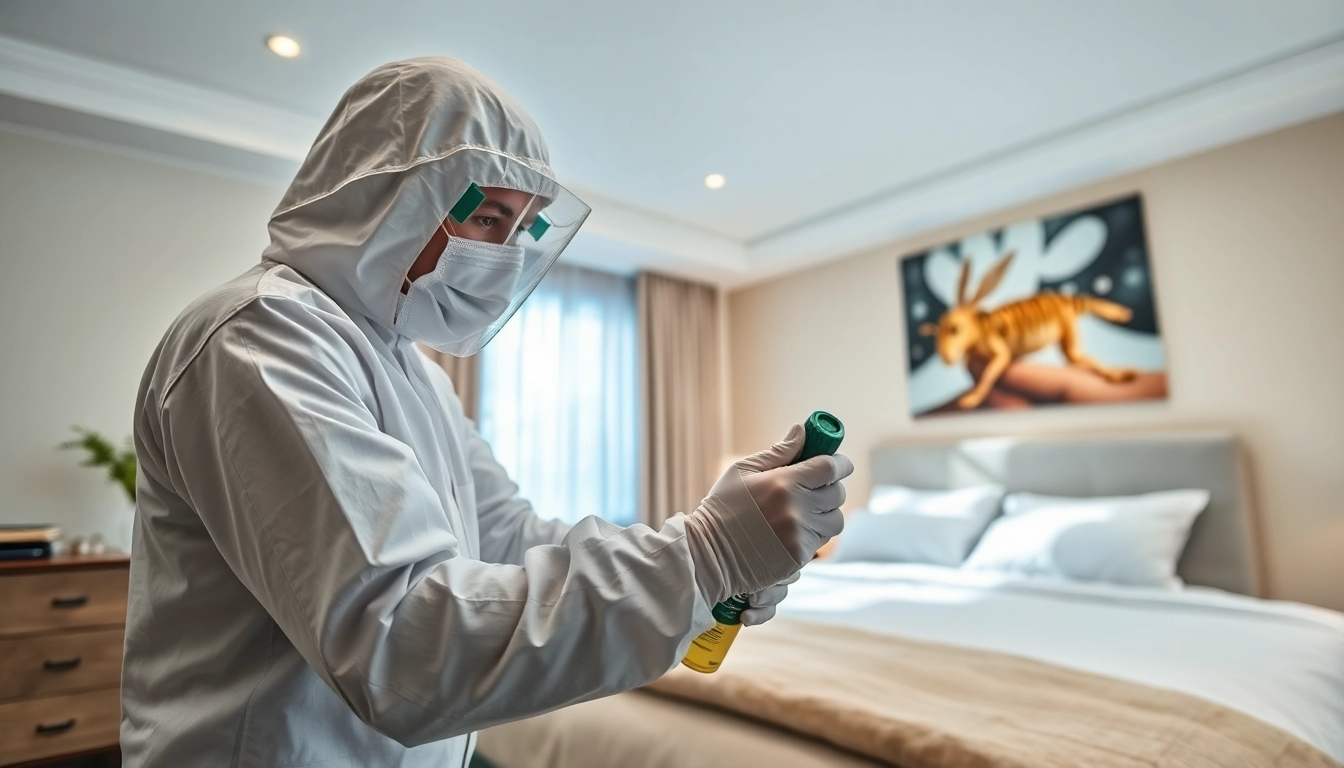
Understanding Bed Bugs and Their Impact
What Are Bed Bugs?
Bed bugs are small, brownish insects that feed on the blood of humans and animals. Their flattened bodies make it easy for them to hide in various places, including cracks, crevices, and even in mattresses, making them particularly challenging to eradicate. The adult bed bug can grow up to 5-7 mm long, resembling an apple seed. Their natural habitats include not only homes but also hotels, public transportation, and anywhere else they can hitch a ride. Infestations can occur with alarming speed, and once established, a few bed bugs can grow into a significant problem if not addressed promptly.
The Consequences of an Infestation
Waking up with bites on the skin is often the first indication of a bed bug infestation, leading to itchy welts that can cause discomfort. Beyond physical irritation, bed bugs can cause psychological effects such as anxiety and insomnia due to the stress of sharing one’s living space with these pests. Moreover, the longer an infestation goes untreated, the larger it becomes, leading to potential financial burdens due to extermination costs and loss of property value. Recognizing these consequences highlights the urgency of effective control measures, including bed bug chemical treatment.
Signs of Bed Bugs in Your Home
Identifying a bed bug infestation can be tricky. Signs include:
- Blood stains on sheets or mattresses
- Sheddings of bed bug skins, as they molt
- Dark spots or excrement on bed linens or nearby surfaces
- A musty odor in the infested area
If you notice any of these signs, it’s crucial to act quickly to assess the situation before it worsens.
Methods of Bed Bug Control
Overview of Chemical Treatments
Chemical treatments can be a quick and effective way to eliminate bed bugs. They typically involve pesticides that are designed to target and eliminate these pests at different life stages—eggs, nymphs, and adults. Some common classes of pesticides include:
- Pyrethroids: Synthetic versions of naturally occurring compounds found in chrysanthemum flowers.
- Pyrroles: Such as Chlorfenapyr, which disrupts cellular function.
- Insect Growth Regulators (IGRs): Chemicals that disrupt the growth cycle of bed bugs, preventing them from reaching maturity.
The right choice will depend on the severity of the infestation, local regulations, and safety considerations.
Safety Considerations for Chemical Use
When employing chemical treatments, safety should always come first. This includes selecting products that are labeled safe for residential use. It is crucial to follow the manufacturer’s instructions closely, including dosage and application methods. Furthermore, it’s advisable to:
- Remove pets and people, especially vulnerable groups like infants and elderly individuals, from the treatment area.
- Use personal protective equipment (PPE) such as gloves and masks when handling pesticides.
- Avoid applying chemicals near food items or utensils.
Taking these precautions ensures that chemical treatments are not only effective but also safe for your household.
Combining Treatments for Effectiveness
To maximize effectiveness, it’s often beneficial to combine chemical treatments with non-chemical strategies. For instance, vacuuming and washing affected items can help remove bed bugs and their eggs physically. Heat treatment is another method that can be used in conjunction with chemicals. Heating rooms or infested items to 118°F (48°C) for at least 90 minutes can kill bed bugs at all life stages. Using a multi-faceted approach tends to yield better results compared to relying on a single method alone.
Choosing the Right Bed Bug Chemical Treatment
Types of Chemicals Available
Numerous bed bug insecticides are available, each varying in chemical composition and effectiveness. Some notable types include:
- Aerosols: Easy to apply, they provide a quick-contact kill.
- Dusts: These can be used in hard-to-reach areas like cracks in walls. When disturbed, they can cling to bed bugs, providing protracted action.
- Liquid Concentrates: Often recognized for their versatility; they can be mixed with water for application in various settings.
Choosing the right formulation is critical for achieving the desired results.
Evaluating Efficacy and Safety
When selecting a chemical treatment, consider its efficacy against bed bugs and safety within the home environment. Research independent studies and customer testimonials to gauge how effective a given product has been in real-world applications. Furthermore, ensure that the product chosen has been approved by relevant regulatory bodies, confirming that it meets safety and efficacy standards.
Assessing Environmental Impact
Modern pest control solutions increasingly focus on being environmentally friendly. When evaluating chemical options, consider their impact on the ecosystem. For instance, some chemicals can adversely affect non-target species and the local environment. Select products that adhere to best practices in ecological responsibility, minimizing potential harm to pets, beneficial insects, and local wildlife.
Steps to Prepare for Chemical Treatment
Preparing Your Home
Preparation is key to the success of bed bug treatments. Before starting, take the following steps:
- Remove items from the infested areas, including bedding, clothing, and personal possessions.
- Vacuum the premises thoroughly to remove any visible bed bugs, eggs, or shed skins.
- Seal vacuum bags tightly and dispose of them outside of your home immediately.
Proper preparation improves the likelihood of successful eradication of bed bugs.
Conducting a Pre-Treatment Inspection
A detailed pre-treatment inspection is crucial for identifying all infested areas and tailoring the treatment accordingly. This involves examining beds, furniture, and any nearby spaces for signs of bugs. Professional pest control specialists can offer insights and ensure that every potential hideout is addressed.
Creating a Safe Environment for Treatment
After clearing the area and conducting an inspection, ensure the environment is secure for the chemical application. Inform all household members and pet owners about the process and make necessary arrangements for their absence during the treatment. Additionally, ventilating the treated room post-application will help dissipate any chemical odors and improve the safety of the environment before reoccupation.
Post-Treatment Maintenance and Monitoring
Evaluating the Success of Treatment
Post-treatment monitoring is an essential aspect of maintaining control over bed bugs. This involves checking the treated areas regularly for any signs of resurgence. Utilize interceptors under legs of beds and furniture to catch any wandering bugs. If you notice new signs, further investigation and possibly retreatment may be necessary.
Preventing Future Infestations
Preventing a future infestation entails ongoing vigilance. New bed bugs can be introduced through visitors, luggage, or second-hand furniture. Regular inspections, along with proactive measures such as encasing mattresses and encouraging a cleaner environment to dissuade bug habitation, are beneficial. Implementing a routine of pesticide application may also be considered for ongoing protection.
FAQs About Bed Bug Chemical Treatment
What is the most effective chemical for bed bugs?
The effectiveness of chemical treatments varies, with pyrethroids and pyrroles commonly noted for their efficacy. Always check for products specifically formulated for bed bugs.
How long does it take for chemical treatment to work?
Results may vary, but typically, you should see a decline in bed bug activity within days. Complete eradication may need follow-up treatments and continuous monitoring.
Can I use chemical treatments while living in my home?
Yes, but precautions must be taken. Ensure to leave the treated area until the chemicals have dried and ventilate the space thoroughly before re-entering.
Are chemical treatments safe for children and pets?
Many modern treatments are designed to be safe for children and pets once applied correctly. Always follow the label instructions and consult a pest control professional.
How often should I treat for bed bugs?
It’s generally recommended to have at least three treatments spaced out over a few weeks for effective control, along with continuous monitoring for signs of resurgence.