

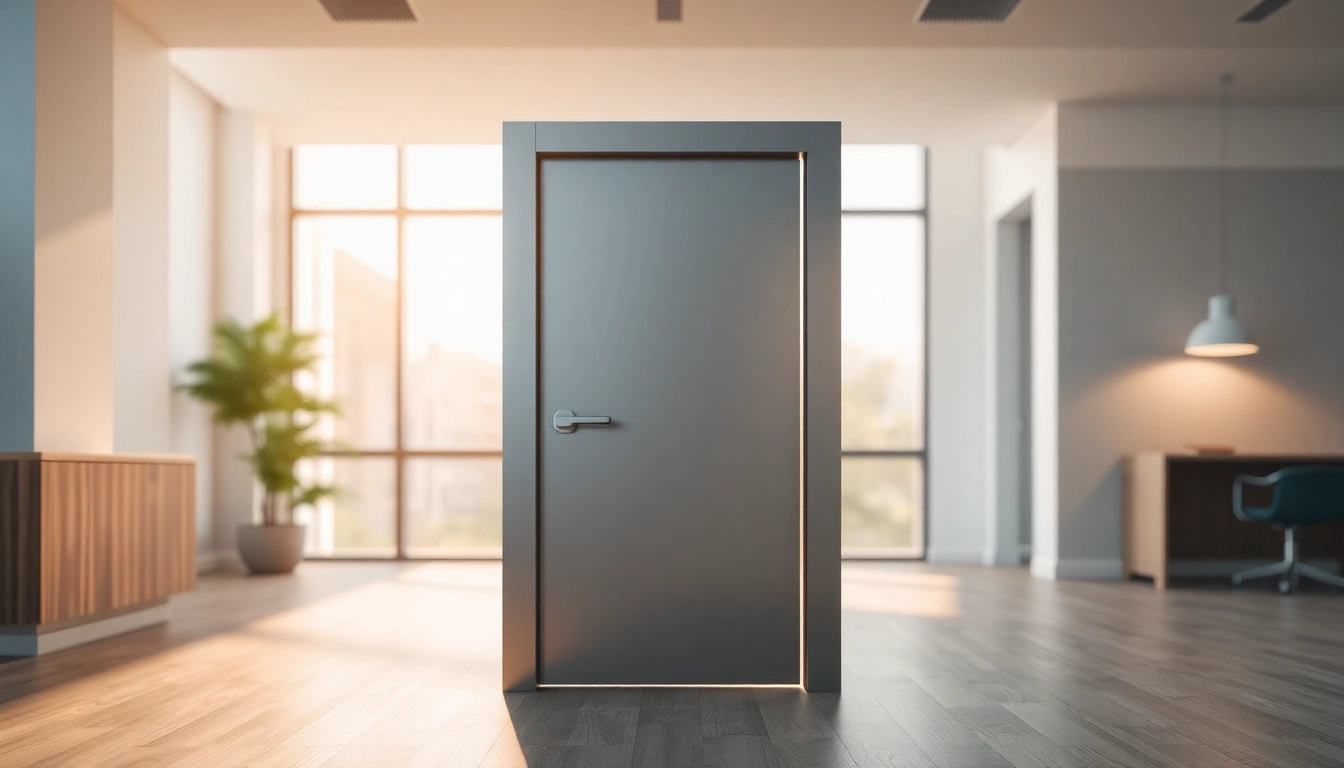
Understanding the Importance of an Exit Door
Every building, whether it’s a commercial space, residential area, or an event venue, must include safe and functional exits. The exit door plays a critical role in safety protocols, ensuring occupants can quickly and efficiently exit the premises in emergencies. Understanding the significance of this element is essential for both design and compliance purposes.
Defining the Role of an Exit Door
The primary purpose of an exit door is to provide a safe and unobstructed exit route during emergencies such as fires or natural disasters. It is specifically designed to be easily accessible, operable, and visible, ensuring it can be utilized swiftly. This door must also meet specific criteria for width and height to accommodate a quick evacuation of large groups if necessary.
Safety Codes and Regulations
Various safety codes and regulations govern the installation and maintenance of exit doors. Compliance is not just about ensuring safety but also about legal responsibilities. The International Building Code (IBC) and the National Fire Protection Association (NFPA) provide guidelines that dictate the requirements for exit door sizing, placement, and operation.
For instance, exit doors must be marked clearly, be equipped with panic hardware in high-traffic areas, and remain unlocked from the inside. Regular inspections are mandated to ensure that these doors remain functional and comply with all safety standards.
Design Considerations for Your Exit Door
Designing an exit door goes beyond aesthetics. It involves practical considerations such as placement, visibility, and the type of locking mechanisms. The door should be located in easily accessible areas, away from obstructions. Visibility can be enhanced by adequate lighting and clear signage. Additionally, materials used for exit doors should endure environmental conditions while maintaining structural integrity and security.
Types of Exit Doors Available
Single vs. Double Exit Doors
Choosing between single and double exit doors depends on the anticipated traffic flow and the building’s usage. Single exit doors typically suffice for smaller spaces, whereas larger buildings or facilities with higher occupancy levels often require double exit doors to facilitate a swift evacuation. Assessing the specific needs of the building type can guide this choice effectively.
Material Choices for Exit Doors
The materials used for an exit door can significantly affect its performance and longevity. Common materials include steel, fiberglass, and wood. Steel doors offer superior strength and security but can be prone to rust if not maintained. Fiberglass doors, on the other hand, are resistant to corrosion and offer excellent insulation, making them suitable for different environmental conditions. Wood doors, while aesthetically pleasing, require regular maintenance to ensure durability.
Choosing Between Manual and Automatic Exit Doors
Manual exit doors are cost-effective and reliable, but they require effort to operate, which can be a disadvantage in emergencies. Automatic exit doors enhance accessibility, particularly for individuals with disabilities or those carrying items. They can provide a hands-free exit but often come at a higher initial investment. Evaluating your budget and specific accessibility needs will help determine the best option.
Installation Best Practices for Exit Doors
Preparing the Space for an Exit Door
Preparation for installing an exit door involves evaluating the existing space to ensure it meets the necessary building codes and regulations. This includes assessing the wall structure, ensuring proper height and width dimensions, and verifying that there is no obstruction from furniture or other installations.
Professional Installation vs. DIY
While some homeowners might consider a DIY approach to installing their exit door, it’s often wise to hire professionals. Professional installers are familiar with the specific codes and regulations that must be followed and can ensure that the door operates correctly and efficiently. Improper installation can lead to liability issues and safety risks.
Common Mistakes to Avoid during Installation
Several common mistakes can occur during the installation of exit doors. These include failing to align the door frame properly, neglecting proper sealing for weatherproofing, and not ensuring that the door swings in the correct direction for emergency egress. It’s crucial to follow the manufacturer’s instructions and adhere to safety standards throughout the installation process.
Maintenance Tips for Longevity of Exit Doors
Regular Inspection Needs
Routine inspections of exit doors are essential to ensure safety and functionality. Inspect for signs of wear, such as rust on metal doors, water damage on wooden doors, or malfunctioning automatic mechanisms. Implement a maintenance schedule to review the condition of the door every few months, prioritizing any necessary repairs.
Cleaning and Care Techniques
Proper cleaning can extend the life of an exit door. For metal doors, use a mild detergent with water to clean surfaces and prevent rust. Wooden doors may require polishing and protection from moisture. For automatic doors, cleaning sensors and keeping tracks free of debris ensures they function smoothly.
When to Replace Your Exit Door
If an exit door shows significant signs of damage, such as structural weakening, poor insulation, or malfunctioning mechanisms, it may be time to replace it. Also, if an exit door is not compliant with current safety standards, replacement should be considered to ensure occupant safety.
FAQs about Exit Doors
What is the purpose of an exit door?
An exit door provides a safe exit route during emergencies, ensuring quick evacuation for all occupants in a building.
How do I choose the right exit door?
Consider factors such as the building’s occupancy, emergency capacity, and whether manual or automatic operation suits your requirements.
Are there specific regulations for exit doors?
Yes, exit doors must comply with local building codes and safety regulations regarding size, accessibility, and operation.
Can I install an exit door myself?
While possible, professional installation is recommended to ensure compliance with safety regulations and proper functionality.
How do I maintain my exit door?
Regular inspections, proper cleaning based on material, and timely repairs are essential for maintaining the functionality of your exit door.