

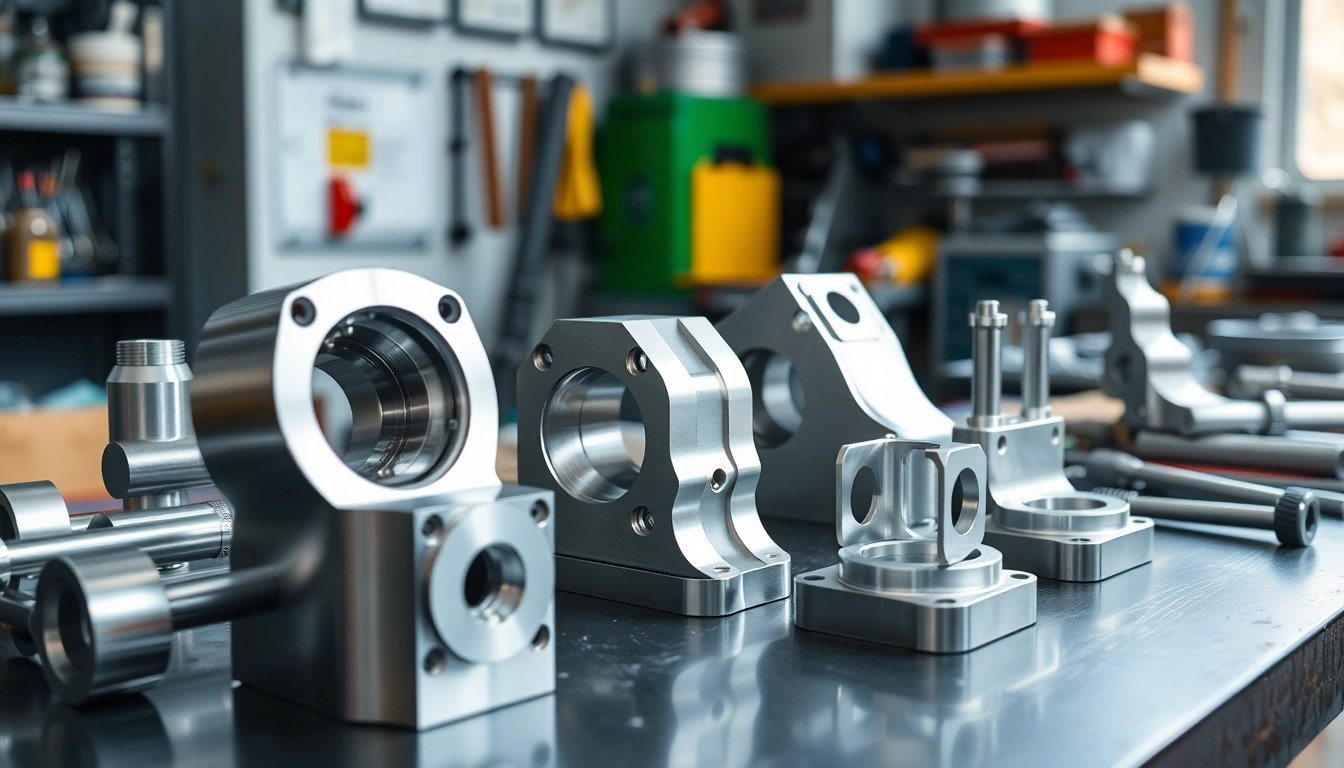
Understanding Aluminum Prototypes
What Are Aluminum Prototypes?
Aluminum prototypes are the initial versions of products crafted from aluminum, designed to validate concepts, fit, and functionality before proceeding to full-scale production. These prototypes can be either cast or machined and serve as critical tools in product development across various industries, such as automotive, aerospace, and electronics. By utilizing aluminum prototypes, engineers and designers can leverage aluminum’s lightweight and durable properties while assessing design feasibility and performance specifications.
Benefits of Using Aluminum Prototypes
Aluminum prototypes come with several advantages that make them an optimal choice for the prototyping process:
- Lightweight: Aluminum is lighter than many other metals, making prototypes easier to handle and assemble.
- Strength: Despite its lightweight nature, aluminum offers excellent strength-to-weight ratios, which is crucial for functional testing.
- Corrosion Resistance: Aluminum naturally resists corrosion, increasing the prototype’s lifespan and reliability during testing.
- Easy Machining: Aluminum prototypes can be manufactured efficiently using various methods like CNC machining, offering flexibility in design and production timelines.
- Cost-Effective: Advanced machining processes reduce delays and costs by allowing rapid revisions and iterations.
Common Applications of Aluminum Prototypes
Aluminum prototypes are widely used in various industries due to their versatility:
- Aerospace: Used for components requiring high strength and lightweight, such as structural parts and housings.
- Automotive: Essential for parts like engine components, housings, and frame structures that benefit from low weight and high durability.
- Consumer Electronics: Frequently applied in casings and parts for gadgets, ensuring effective heat dissipation and appealing aesthetics.
- Medical Devices: Employed in surgical tools and devices that require precision and reliability.
Materials and Techniques for Aluminum Prototypes
Types of Aluminum Alloys Suitable for Prototyping
Aluminum alloys are classified primarily into two categories: wrought and cast. Each category has its specific alloys that are well-suited for prototyping:
- Wrought Alloys: 6061 and 7075 are common wrought alloys. They offer superior strength and corrosion resistance, suitable for intricate machining.
- Cast Alloys: A356 and A380 are popular for casting applications, as they provide excellent fluidity during the casting process, ideal for complex shapes.
Common Machining Techniques Used
The creation of aluminum prototypes involves several machining techniques:
- CNC Machining: This automated technique uses computer-controlled tools for precision cutting and shaping, ensuring consistent quality and dimensional accuracy.
- 3D Printing: Favorable for rapid prototyping, 3D printing allows for quick iterations and adjustments to designs before final machining.
- Laser Cutting: This method ensures precise cuts with minimal material loss, allowing for the accurate realization of intricate designs.
Choosing the Right Technique for Your Project
Selecting a suitable machining technique depends on factors such as:
- Complexity of the Design: More intricate designs may necessitate advanced techniques like CNC machining or 3D printing.
- Volume of Prototypes: For low-volume production, 3D printing could be the most economical option.
- Material Requirements: Different alloys may be better suited to certain techniques; for example, casting suits complex geometries better than machining.
Design Considerations for Aluminum Prototypes
Best Practices for Designing Aluminum Prototypes
When designing aluminum prototypes, consider the following best practices:
- Account for Tolerances: Factor in machining tolerances to ensure parts fit together seamlessly during assembly.
- Optimize Material Use: Design parts to minimize material waste while ensuring structural integrity.
- Choose Appropriate Wall Thickness: Balance weight and strength by determining optimal wall thicknesses for different components.
- Design for Manufacturing: Create designs that are easy to machine or cast, reducing processing time and enhancing manufacturability.
Tools and Software for Effective Design
There are numerous tools and software options available to streamline the design process:
- CAD Software: Tools like AutoCAD or SolidWorks facilitate the creation of detailed 3D models.
- Simulation Software: Programs such as ANSYS or Abaqus help analyze the performance of designs under various conditions.
- PLM Software: Product Lifecycle Management tools assist teams in collaborating effectively during the design phase.
Challenges Faced During the Design Process
Several challenges can arise during the design phase of aluminum prototypes:
- Miscommunication: Ensure alignment between design and engineering teams to avoid costly misunderstandings.
- Limited Resources: A shortage of materials or machine capacity can impact timelines; planning for contingencies is essential.
- Feedback Iteration: Receiving timely and actionable feedback on designs is critical for creating effective prototypes.
Cost Efficiency in Producing Aluminum Prototypes
Factors Affecting the Cost of Aluminum Prototypes
Several key factors can influence the overall cost of producing aluminum prototypes:
- Material Costs: Prices for aluminum alloys fluctuate; selecting the right material is crucial for budget management.
- Machining Complexity: More complex designs generally incur higher machining costs due to additional time and tooling required.
- Production Volume: Higher volumes can lead to economies of scale, reducing the cost per unit.
How to Optimize Budget While Prototyping
Optimizing the budget for aluminum prototyping involves:
- Utilizing Pre-Designed Components: Leveraging existing designs can significantly reduce the development time and associated costs.
- Investing in Quality Tools: High-quality machining tools may have higher upfront costs but lead to lower operational costs and better output.
- Exploring Alternative Techniques: Consider new methodologies like 3D printing as alternative approaches that may reduce costs and speed up the design process.
Comparing Costs vs. Benefits
It is important to compare the costs of aluminum prototypes against their potential benefits, which can include:
- Reduced Time to Market: Faster prototyping leads to quicker product launches, offering competitive advantages.
- Enhanced Product Performance: High-quality prototypes contribute to better end products, potentially commanding higher prices and profits.
- Overall Project Savings: Effective prototyping can prevent costly errors in later production stages.
Future Trends in Aluminum Prototypes
Innovations in Aluminum Prototyping Technology
Emerging innovations are driving advancements in aluminum prototyping:
- Integration of AI: Artificial intelligence is streamlining design processes through predictive analytics and optimization algorithms.
- Advanced 3D Printing Techniques: Innovations in materials and additive manufacturing processes are enhancing capabilities for creating complex aluminum geometries.
- Automation in Manufacturing: Increased automation is leading to faster production times and lower labor costs.
The Role of 3D Printing in Prototyping
3D printing is revolutionizing the prototyping landscape:
- Rapid Iteration: Designers can quickly produce multiple iterations, significantly speeding up the design process.
- Cost-Effective Production: 3D printing reduces waste and allows for low-volume production without high setup costs.
- Flexibility: Designers can experiment with various designs easily, fostering creativity and innovation.
Adapting to Market Changes with Aluminum Prototypes
To remain competitive, companies must continuously adapt their prototyping strategies:
- Monitoring Trends: Staying abreast of key industry trends allows teams to pivot quickly in response to changing market demands.
- Customer-Centric Design: Focusing on customer feedback and preferences ensures that prototypes align with end-user expectations.
- Collaborative Development: Engaging in partnerships can spur innovation and allow for shared resources in the prototyping process.
Frequently Asked Questions
1. What are the main advantages of using aluminum for prototypes?
Aluminum offers low weight, excellent strength, corrosion resistance, and ease of machining, making it ideal for various prototype applications.
2. Can aluminum prototypes be produced in large quantities?
Yes, depending on the machining technique and project requirements, aluminum prototypes can be scaled for production runs.
3. Is 3D printing effective for aluminum prototypes?
Yes, 3D printing is effective for creating complex aluminum shapes quickly, allowing for faster iterations and design changes.
4. What factors influence the cost of aluminum prototypes?
Factors include material selection, design complexity, production volume, and machining techniques used in the process.
5. How do I choose the right aluminum alloy for my prototype?
Choose based on requirements such as strength, machining characteristics, and the specific application for which the prototype is intended.