The Appeal of Tree House Life: Embracing Nature
In recent years, the concept of tree house living has surged in popularity, offering a unique blend of adventure and tranquility. Nestled among the branches, tree houses provide not only a whimsical retreat from the hustle and bustle of urban life but also an opportunity to reconnect with nature. As society increasingly looks for sustainable and innovative living solutions, the allure of a home in the trees becomes even more pronounced. For those exploring this lifestyle, tree house life presents a fascinating avenue that blends functionality with environmental consciousness.
What Is Tree House Life?
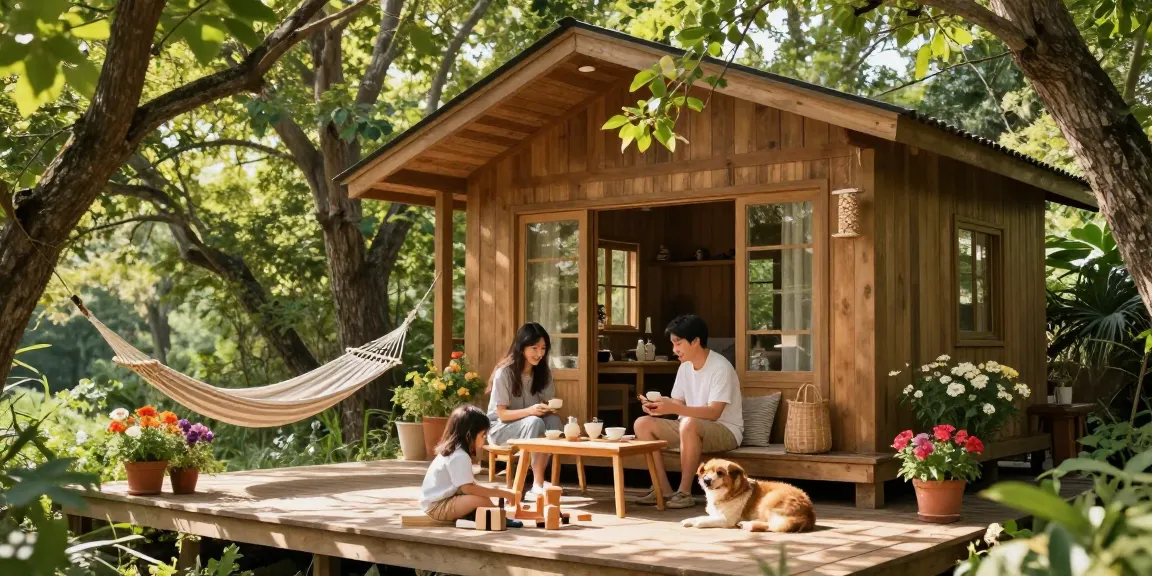
Tree house life embodies the ethos of living harmoniously with nature while enjoying the comforts of modern living. These elevated structures serve a variety of purposes, ranging from serene retreats to fully functional homes. They are often equipped with amenities typical of standard houses, such as kitchens, bathrooms, and spacious living areas, allowing residents to embrace a distinctive lifestyle without sacrificing comfort.
The Psychology Behind Tree House Living
Living in a tree house taps into our primal connections to nature. This form of living can enhance mental well-being, reduce stress, and foster creativity. Studies have shown that simply being surrounded by greenery can increase feelings of happiness and contentment. Consequently, the elevated perspective offered by tree house living can shift our mental frame, providing a unique vantage point from which to view both the world and oneself.
Benefits of Living Among the Trees
- Connection to Nature: Residing in a tree house fosters a close connection to the environment, allowing inhabitants to witness the changing seasons and wildlife.
- Tranquility: The elevated setting often provides a sense of peace and quiet, away from urban distractions.
- Unique Lifestyle: Tree houses often encourage a simpler, more sustainable way of living, promoting minimalism and a strong community sense.
- Adventure: Having a home suspended among the trees ignites a sense of adventure and whimsy, appealing to both the young and the young at heart.
Designing the Perfect Tree House
Essential Features of Modern Tree Houses
When designing a tree house, it is crucial to consider a variety of features that enhance both sustainability and comfort. Modern tree houses often include large windows for natural light, spacious decks for outdoor living, and eco-friendly materials that blend seamlessly with their surroundings. Incorporating elements such as rainwater harvesting systems and solar panels can further enhance sustainability.
Eco-Friendly Building Materials for Tree Houses
Choosing the right materials is vital for creating an environmentally friendly tree house. Sustainable timber, such as cedar and redwood, not only offers durability but also helps to maintain a natural aesthetic. Other materials, including bamboo and recycled plastics, can be considered for constructing features like decking or railings, ensuring that the ecological footprint remains minimal.
Tree House Size and Placement Considerations
The size of a tree house should be dictated by its intended use, whether as a family retreat, a guest house, or a permanent residence. Moreover, placement is critical. The tree species, its health, and the surrounding ecosystem must be evaluated to ensure safety and longevity. Ideally, the house should be elevated enough to provide stunning views while being securely positioned to resist wind and weather elements.
Tree House Life for Families
Creating Family Bonding Spaces
Tree houses provide an exceptional space for families to bond and create lasting memories. By designing shared areas for activities like games, storytelling, or even simply enjoying meals together outdoors, families can strengthen their connections and nurture relationships in a playful setting. A tree house can become a sanctuary away from the distractions of daily life, fostering deeper familial ties.
Safety Features for Children in Tree Houses
Safety is paramount when designing tree houses, particularly for families with children. Incorporating sturdy railings, non-slip surfaces, and secure ladders are essential steps. Additionally, tree houses should be located in safe areas, away from hazards like power lines or unstable branches. Regular maintenance checks are crucial to ensure the structure remains secure over time.
Activities to Enjoy in Your Tree House
- Nature Observation: Encourage children to observe the wildlife around them, fostering an appreciation for the environment.
- Outdoor Games: Set up a space for games like hide-and-seek, or create a small obstacle course.
- Arts and Crafts: Use the space to engage in creative activities inspired by nature.
- Storytelling Nights: Transform the tree house into a magical venue for evening storytelling or stargazing.
Community and Tree House Living
Building Connections in Tree House Communities
Tree house living fosters a sense of community, with many enthusiasts finding joy in connecting with others who share their passion for this lifestyle. Community gatherings, workshops, and events can provide opportunities for tree house owners to exchange ideas and collaborate on best practices, further enhancing the tree house living experience.
Sharing Tree House Life Experiences Online
In the digital age, sharing experiences related to tree house life has never been easier. Many tree house owners document their journeys online through blogs and social media, providing inspiration and guidance to prospective tree dwellers. This exchange of experiences helps to build a community that supports one another in embracing this unique lifestyle.
Local Initiatives and Tree House Events
Across the globe, local initiatives and events are supporting the growth of tree house living. From tree house festivals to workshops focused on building techniques, these gatherings can serve as a platform for education and advocacy for sustainable living. Participating in these events not only provides knowledge but also allows enthusiasts to connect and form bonds over their shared interest.
Future Trends in Tree House Life
Innovative Designs Emerging in 2026
As the tree house movement continues to evolve, innovative designs are emerging that push the boundaries of traditional concepts. Architects and builders are exploring shapes, materials, and technologies that cater to modern sensibilities while maintaining the essence of tree dwelling. These designs often incorporate features such as living roofs and smart home technology, resulting in tree houses that are as functional as they are beautiful.
Technological Advances in Tree House Living
Technological advancements are playing a significant role in the evolution of tree house living. From eco-friendly construction methods to smart home integrations, technology enhances the functionality of tree houses. Automated systems for heating, cooling, and energy management are becoming commonplace, ensuring comfort and sustainability for residents.
Eco-Conscious Trends and Sustainability in Tree House Life
With increasing awareness around environmental issues, future tree house trends will heavily focus on sustainability. The use of renewable resources, waste management systems, and energy-efficient technologies will define the next generation of tree houses. This trend not only promotes eco-conscious living but also positions tree house life as a viable alternative to traditional housing.
How long do treehouses last?
The lifespan of a tree house can vary widely based on materials, design, and maintenance. With proper care and the use of durable materials, tree houses can last for decades. Regular inspections and upkeep are essential to ensure safety and longevity.
Can you live in a treehouse full time?
Many people successfully live in tree houses full-time, though it often requires careful planning and adaptation. Ensuring the structure is equipped with necessary amenities, insulation, and safety measures is crucial for long-term living.
What are the costs involved in building a treehouse?
The costs associated with building a tree house can vary based on size, materials, and location. A simple design might cost a few thousand pounds, while more elaborate structures can run into tens of thousands. It's essential to budget accordingly and consider both initial costs and ongoing maintenance.
Are treehouses suitable for all climates?
Tree houses can be designed for various climates with appropriate materials and construction techniques. However, it's important to consider factors such as local weather conditions, temperature fluctuations, and the tree's health when planning a tree house.
What is the best wood for building a treehouse?
The best wood for constructing a tree house typically includes durable options such as cedar or redwood, which are naturally resistant to rot and insects. Using pressure-treated lumber can also provide added durability for structural components.